Jerusalem festival adds circus acts
The Fluorescent-Vertigo event expands to five days with 27 artists, marking its shift from a pure dance showcase to a multidisciplinary platform for emerging performers.
By Matthew Collins ·
Audiences in Jerusalem and Kibbutz Netiv Halamed-Heh will attend a larger, more varied performance schedule next week. The Fluorescent-Vertigo festival runs from November 9 to 13, featuring 14 shows and 27 artists across five days. This expansion represents a threefold growth in scale compared to previous editions.
Yasmin Gariv, the 26-year-old artistic director, has shifted the event's focus beyond contemporary dance. She now incorporates circus art, performance art, and music into the program. Gariv, who has worked as a circus artist in recent years, cites a lack of adult contemporary circus festivals in Israel as a primary driver for this change.
The festival remains dedicated to artists who have not yet built substantial résumés. Gariv defines "young" in the context of professional experience rather than age. The goal is to provide a platform for choreographers and dancers who have not previously been accepted by other Israeli festivals. She founded the event after repeatedly facing rejection with her own choreographic work.
Gariv started the festival with a friend and a simple request to the Vertigo dance company. She asked for use of their studio for a one-off evening of shows. The initial event was a small trial run. When her partner stepped back after the first year, Gariv continued the project independently. She secured a small budget from the Jerusalem Municipality the following year, which allowed the festival to formalize its name and structure.
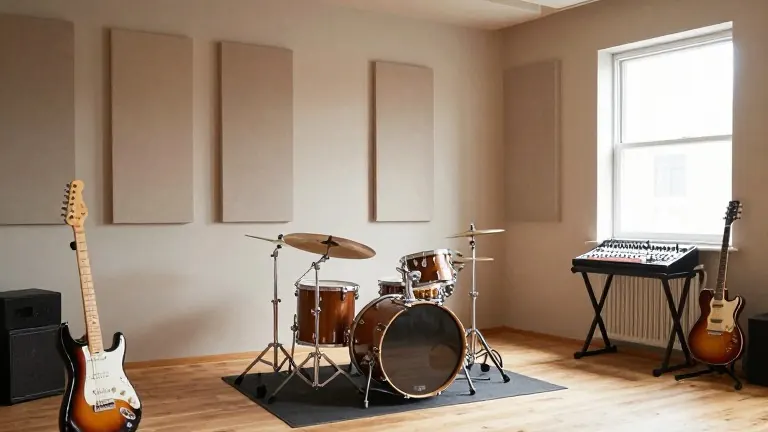
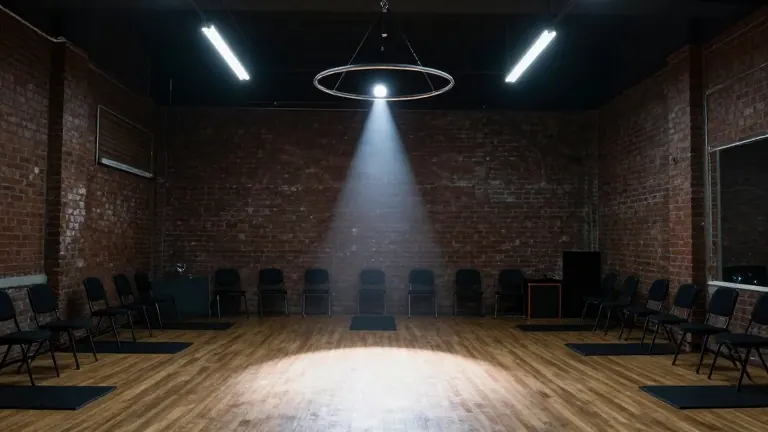
The venue choice influences the audience experience. Most performances take place in studios rather than traditional theaters. Gariv notes that this setup places viewers directly in front of the performers. Audiences can see sweat and facial expressions clearly. The proximity allows attendees to feel the tremors in the floorboards as dancers jump. The festival also includes an outdoor salsa show and open dance workshops to encourage audience participation.
Gariv attributes the festival's name to the studio lighting conditions during its early days. The shows were lit by fluorescent bulbs. She also connects the name to the physical labor of dance, describing it as working hard under the light. The event is supported by the Jerusalem Foundation and the Jerusalem Municipality.
Gariv recently performed in South Korea after being selected at the international dance showcase in Tel Aviv. She traveled with a metal hoop weighing 9 to 10 kilograms. She views the inclusion of circus acts as a way to attract new sectors of the public. She believes the inherent spectacle of circus art can draw viewers who are not specifically interested in contemporary dance.
The festival aims to facilitate direct encounters between artists and audiences. Gariv says she feels a change in her movement since October 7, describing an added depth to her work. She wants to introduce new audiences to these art forms. The event concludes on November 13 in Netiv Halamed-Heh.