Arab-led parties win 19 seats in Israel after record turnout
No candidate reached the 61-seat threshold needed to form a government, leaving the new blocs to negotiate power.
By Sarah Reynolds ·
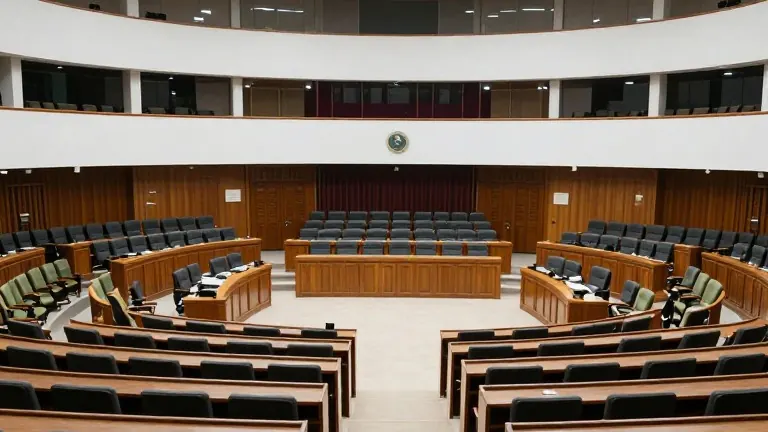
No candidate in Israel's recent election secured the 61 seats required to form a government, creating a stalemate that places newly empowered Arab-led parties at the center of national governance. These parties won 19 of the 120 seats in the Knesset, a result that ends the majority held by Prime Minister Benjamin Netanyahu's coalition.
The outcome reflects a dramatic shift in voter behavior among Palestinian citizens of Israel. The Central Elections Committee reported that Arab-led parties received a 64% increase in votes compared to the previous election. This surge helped strip Netanyahu's government of its majority, a development Jamal Zahalka, chairman of the High Follow-Up Committee, described as a historical achievement that blocked the continuation of Netanyahu's rule.
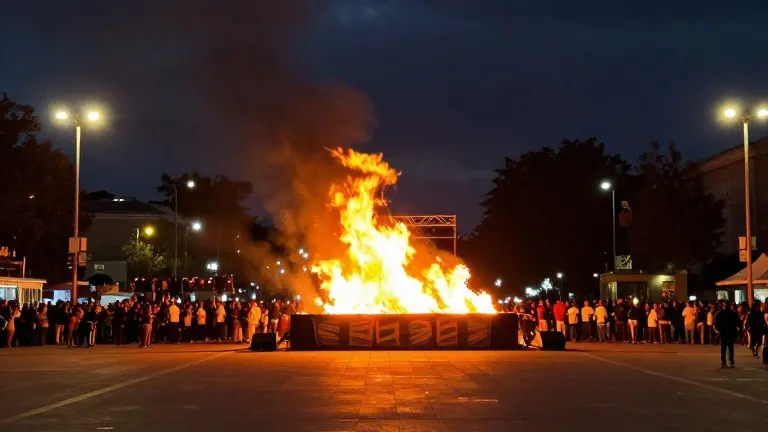
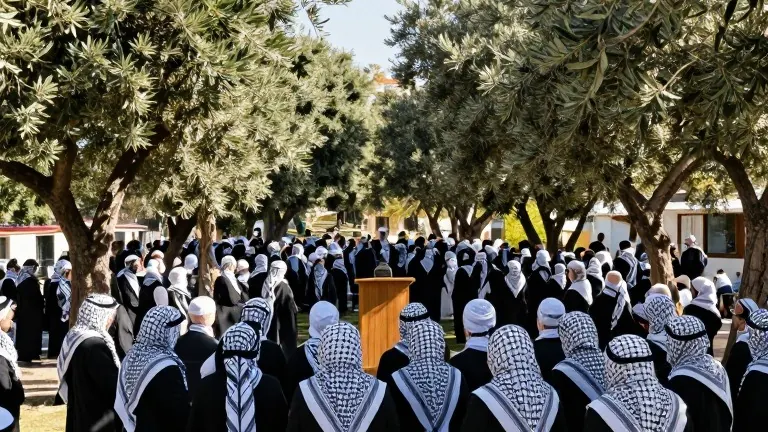
In the Palestinian-majority town of Kufr Qasim, residents gathered two days after the election to commemorate the 1956 killings of local residents by Israeli border police. Speakers addressed the crowd, noting that 70 years later, the struggle continues. Many attendees connected their vote to current conditions, citing rising discrimination since the October 7, 2023, attacks and the ongoing war in Gaza, which has killed more than 74,000 Palestinians.
Intisar Sarsur, a 65-year-old resident, said her family participated because they were seeking basic rights. She noted that everyone she knew voted, a change from recent years when many shunned the ballot box. The community shared traditional sweets and fresh olive oil, a harvest season that she described as bittersweet due to recent attacks by settlers in the West Bank.
Netanyahu and his allies reacted with alarm, with the prime minister calling the high Arab turnout an emergency on election day. Itamar Ben Gvir, the national security minister, urged voters to protect the country's Jewish and Zionist character. Likud later claimed the election was stolen through bribery and forgery, though police and election officials found no basis for widespread fraud. The head of the elections committee asked the Shin Bet security service to investigate suspected foreign funding of the turnout efforts.
The political landscape is now complex for the center-right opposition led by Gadi Eisenkot. He is not a natural ally for Arab parties, as he is a former military chief of staff whose son died in Gaza and who formulated the Dahiyeh doctrine in 2008. This doctrine advocates for disproportionate force against areas from which militants fire. Despite this, Eisenkot needs their support to reach a majority.
Arab-led parties remain divided on how to proceed. The Joint List alliance, which won 11 seats, stated it will not formally partner with Eisenkot due to the war in Gaza and the occupation of the West Bank, but may support his government from the outside. Ra'am, a socially conservative party, campaigned on joining a coalition. President Isaac Herzog is currently consulting with parties to determine who receives a mandate to form a government.
Herzog is expected to announce the chosen candidate next week. That leader will have 28 days to form a coalition, with the option of a two-week extension. If they fail, a second candidate gets only 28 days. If no government is formed, Israel will hold repeat elections next year. Mansour Shaaban, 33, who voted for the first time, said the process is necessary to counter the racism of the extreme right, even if immediate change is not achieved.