
Bellingham and Whatcom County brace for more wolves
The Washington Department of Fish and Wildlife’s 2026 report shows a record 270 gray wolves in the state.
By Amina Yusuf ·
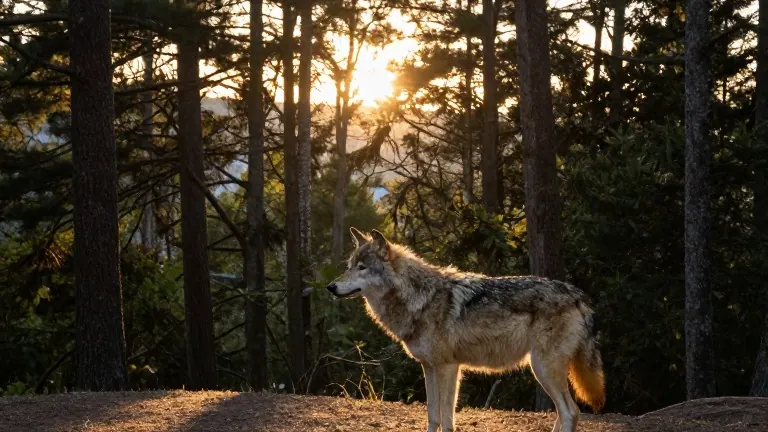
Bellingham and Whatcom County residents may soon see more gray wolves, as the Washington Department of Fish and Wildlife’s 2026 report shows a record 270 gray wolves in the state. This marks a 17.4% increase from the previous year, with 49 different packs and 23 breeding pairs counted. The report is expected to be released in April of 2027, and it is likely to show an increase of wolves migrating into Western Washington.
Staci Lehman, WDFW communications manager and designated wolf expert, noted that wolves have adapted to their population growth and spread out accordingly. This suggests they may continue to migrate westward in 2026 and beyond. For many agricultural workers, this increase could worsen the ongoing farming crisis, as wolves have been attacking livestock repeatedly.
Washington farmers have struggled with wolf attacks, and the state fell to 50th place for farmer take-home pay in 2024. Former Representative Joel Kretz introduced House Bill 1698 in 2023, proposing the removal of wolves’ endangered species status in certain counties and mandating the WDFW to work directly with agricultural groups on mitigation strategies. The bill initially passed through the House Agriculture Committee with unanimous support, but it ultimately failed despite large support from the Washington Cattleman’s Association and bipartisan congressional backing.
Gray wolves once lived in all of Washington, coexisting with dozens of Native American tribes. As settlers moved to Washington in the mid and late 19th century, they congregated disproportionately on the western side of the state, where they began trapping and killing wolves in their areas. By the early 1930s, methods like strychnine had effectively eliminated gray wolves in Washington.
The Diobsud Creek Pack lived in Skagit County from 2018 until 2023, marking the first successful pack to return to Western Washington. Since then, the WDFW has been unable to locate them. Lehman noted human presence, poaching and infrastructure as obstacles to their return. She believes it will happen, but it is just a matter of time.
The WDFW has intentionally avoided reintroducing wolves anywhere in Washington, instead opting for a strictly conservationist approach that allows them to roam freely in and out of the state. Idaho’s Department of Fish and Game has a plan to reduce wolves’ numbers from around 1,100 to 500 by 2028, which may affect their migration patterns.
Lehman said that human-wolf conflicts remain rare across the state. “Most people won’t be impacted,” she said. “It’s cool to know that you might be out hiking and see a wolf, but for the most part, they’re like everything else: They’re more scared of you than you are of them.”
Source: Salish Current · original report published
More News · Bellingham news · Report a business · Got a Story?