Freddie O’Connell: Nashville grocery tax drops 0.5 percent Nov. 1
The local tax cut saves shoppers about $72 annually, though state rates remain high and Republicans blocked a full elimination this year.
By Matthew Collins ·
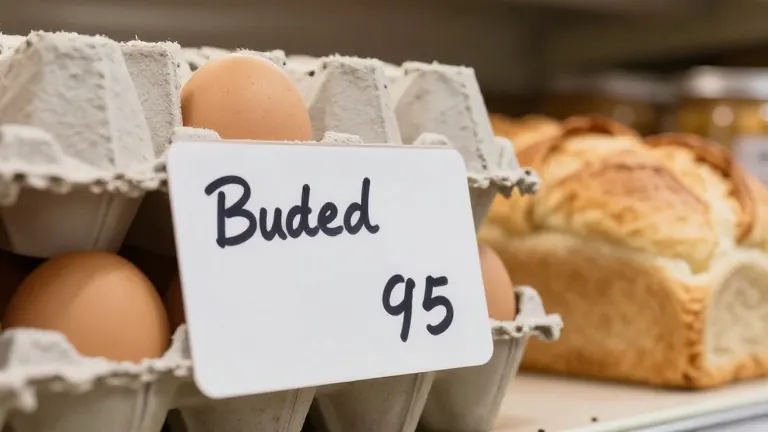
Nashville residents will pay less for food starting Sunday.
A 0.5 percent reduction in the local grocery tax takes effect on Nov. 1. Mayor Freddie O’Connell proposed the change months ago, and the Metro Council passed it in June. The city expects to lose about $9 million in annual revenue from the cut.
O’Connell defended the decision on Friday as a necessary step to help families. He acknowledged that the city has limited tools for generating revenue for public services. The mayor described the measure as broad-based and said it offers immediate economic relief.
The local cut does not change state rates. Tennessee still levies a 4 percent tax on groceries and a 7 percent tax on prepared foods. Republicans in the state legislature killed bills this year that would have ended the state grocery tax entirely. Those bills were sponsored by state Rep. Aftyn Behn and state Sen. Charlane Oliver, both Democrats.
The timing of the cut coincides with the gubernatorial election next week. Democratic candidate Jerri Green has pledged to end the grocery tax if she wins. O’Connell used the local change to press state leaders, noting that the state has previously reduced grocery taxes. He expressed a desire for the state to zero out the tax so local governments do not have to make difficult budget choices.
Some city council members questioned the value of the small savings. Estimates put the annual benefit for a family at roughly $72. Councilmember Quin Evans Segall argued in June that a blanket cut also benefits those buying expensive items like wagyu steak. She favored targeting structural costs like rent and childcare instead.
The Metro Council approved the cut as part of the 2027 budget. The 0.5 percent reduction mirrors the sales tax increase passed in 2024 for transit funding. O’Connell maintained that small savings are still meaningful for households.
Source: Nashville Scene