Local food writer shares three recipes for Diwali sweets
Reshma Seetharam details methods for preparing saffron, milk, and brown peda using condensed milk and milk powder.
By Amina Yusuf ·
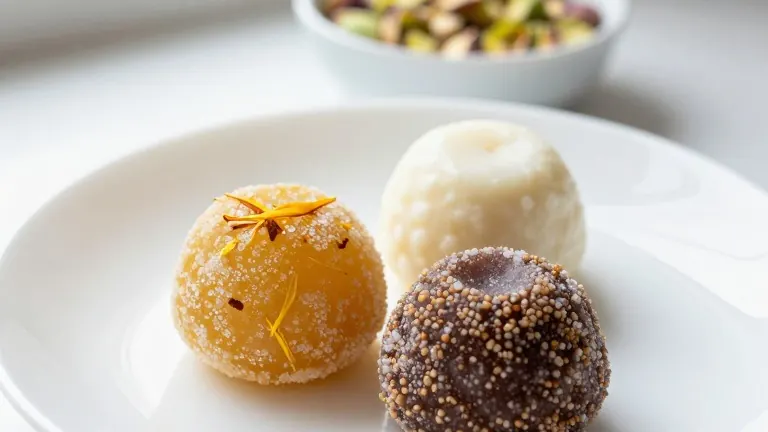
Reshma Seetharam, a food writer and home cook based in the area, has published a collection of three recipes for peda, a traditional Indian milk sweet. The sweets are prepared for Diwali, a festival celebrated with lamps, decorations, and the exchange of gifts.
Peda is believed to have originated in Mathura, Uttar Pradesh. The traditional method involves reducing milk into khoya or mawa, mixing it with sugar, and shaping the result into small rounds. Seetharam’s versions use sweetened condensed milk and milk powder to simplify the process for home kitchens.
The first variation is saffron peda. This recipe yields approximately 20 to 24 sweets. It combines condensed milk, milk powder, ghee, and a few strands of saffron. The mixture is cooked over low heat until it forms a soft dough. Cardamom is added after the heat is removed. The pedas are rolled into balls and filled with crushed nuts such as pistachios or almonds.
The second recipe is for classic milk peda. It also makes about 20 to 24 servings. This version relies on the flavor of milk and cardamom without saffron. The preparation method mirrors the saffron version, cooking the mixture for eight to 12 minutes until it leaves the sides of the pan. The resulting sweet is described as soft and creamy.
The third variation is a brown peda inspired by the Dharwad peda from Karnataka. This recipe produces approximately 25 small sweets. It uses three cups of milk powder, one cup of sugar, and half a cup of milk in addition to condensed milk. The mixture is cooked for a longer period, ranging from 17 to 22 minutes total, until it turns a deep caramel brown. The pedas are coated in finely crushed granulated sugar before serving.
Seetharam notes that cooking times are estimates rather than fixed rules. For the saffron and milk versions, the cook should stop when the mixture is pliable. For the brown peda, the mixture must be cooked until a deeper caramel color develops to achieve the distinct roasted milk flavor.
All three types of peda are stored in airtight containers in the refrigerator. They are best consumed within five to seven days. Seetharam suggests bringing the sweets to room temperature before serving to improve texture. The recipes are available on her website and social media channels.
The sweets are often placed in boxes and given to friends, neighbors, and family as a gesture of affection and good wishes during the festival.
More Culture · Marysville news · Report a business · Got a Story?