Middle East Tensions: Trump talks with Qatar as Yemen strikes kill 30
The U.S. president sought to ease regional friction while a deadly airstrike hit a market in Taiz and diplomats in Iraq and Tunisia engaged with Iranian officials.
By Amina Yusuf ·
U.S. President Donald Trump spoke by phone with Qatar’s Emir Sheikh Tamim bin Hamad al Thani on Friday to coordinate efforts to lower tensions in the Middle East. The Gulf state’s media office released the details of the conversation, noting that the region remained alert to the possibility of renewed American military action against Iran.
The two leaders focused on Qatar’s ongoing mediation between Washington and Tehran. Sheikh Tamim emphasized the need for continued dialogue and diplomatic resolution to prevent further escalation. The Qatari statement said the emir also prioritized the security of energy supplies and freedom of maritime navigation in the region.
Qatar and other Gulf Arab nations allied with the U.S. faced heavy Iranian fire earlier in the current conflict. These countries have expressed anxiety about new escalations that could expose them to further attacks. The diplomatic push aims to secure a comprehensive agreement that ends the crisis and stabilizes the area.
Iran’s Foreign Minister Abbas Araghchi conducted separate telephone diplomacy with regional counterparts on Friday. He spoke with Iraq’s Foreign Minister Fuad Hussein to outline Tehran’s vision for resuming negotiations with the United States. Iraq’s state media reported that Araghchi presented this plan to Washington before the U.S. midterm elections.
The Iranian proposal includes reopening the Strait of Hormuz and setting a specific timetable for starting talks. Araghchi also indicated that the negotiations would address issues related to Iran’s nuclear program. Earlier in the week, the foreign minister discussed similar regional developments with leaders in Turkey and the Gulf.
Egyptian Foreign Minister Badr Abdelatty spoke with Araghchi on Thursday. Egyptian Foreign Ministry spokesman Nader Zaki said Abdelatty urged all parties to show flexibility and compromise. The goal was to reach a political solution and avoid further military escalation in the region.
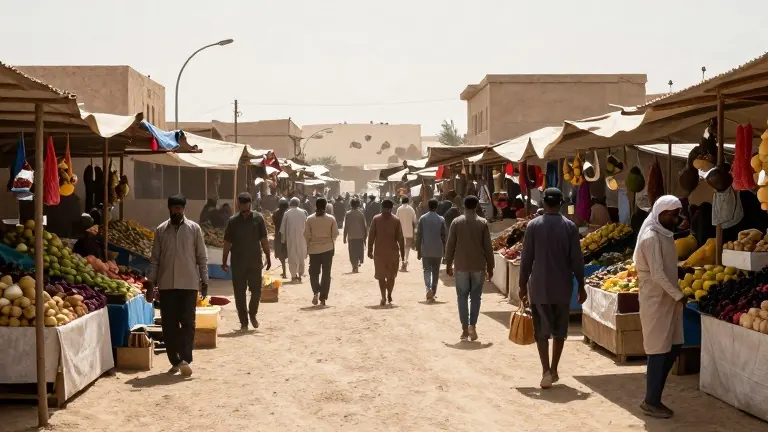
At least 30 people died in airstrikes on a popular market in al-Waziyah, Yemen, on Friday. Anees Alsabahi, a spokesperson for the Houthi-run health ministry, said eight others were wounded. The attack occurred in the province of Taiz, which is mostly controlled by the Iran-backed Houthi rebels.
The Houthi health ministry identified the strike as one of the deadliest since fighting resumed between the rebels and Saudi-backed government forces. Both sides traded accusations over responsibility for the attack. The Associated Press was unable to independently verify the claims made by either military side.
Italian authorities reported that several of their citizens were detained by Israeli forces in the occupied West Bank on Friday. The Italian Foreign Ministry said the group may include four activists and two journalists who were assisting Palestinian farmers during the olive harvest. Officials were still verifying the exact number and identities of the detainees.
The Italian embassy in Tel Aviv and the consulate in Jerusalem requested immediate release and consular access for the group. The detainees were held at a police station in the Israeli settlement of Modi’in Illit. They were expected to transfer to a holding facility at Ben Gurion Airport to await deportation on the first available flights.