Pediatric ICU Closures Force Families to Travel Hundreds of Miles for Critical Care
Hospitals across the U.S. are closing children's intensive care units due to low patient volume, staffing shortages, and reimbursement issues.
By Sarah Reynolds ·
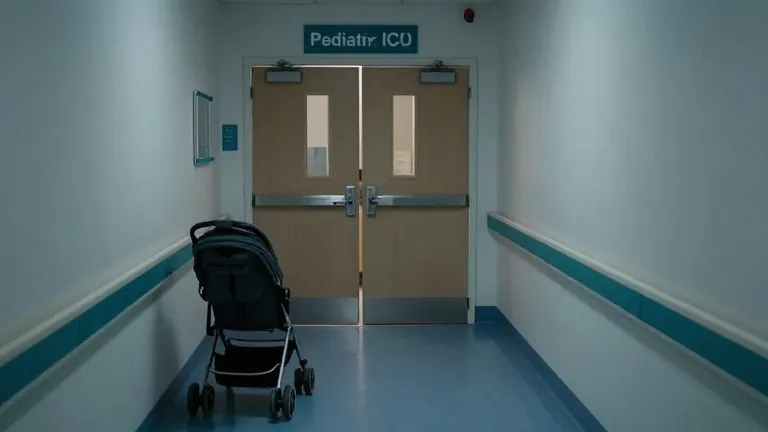
Pediatric intensive care units are disappearing from communities across the United States, forcing families to transport critically ill children to distant medical centers. Over the past year, dedicated units for the sickest children closed in Montana, Oregon, and Missouri. Overnight children's wings also shut down in Illinois and California. These units serve patients from a few weeks old through adolescence and into early adulthood, distinct from neonatal care.
Hospitals are converting these beds into services for newborns or adults to manage costs. This shift is concentrating pediatric critical care in large medical hubs. Elizabeth Mack, a pediatric critical care doctor and spokesperson for the American Academy of Pediatrics, stated that families cannot be expected to manage when the nearest children's hospital is a flight or an eight-hour drive away.
Health systems cite low patient numbers as the primary driver for these closures. It is relatively uncommon for a child to require intensive care. Hospitals also face difficulty recruiting pediatric subspecialists, who typically earn less than their adult-focused counterparts. Reimbursement rates for treating children are often lower, and specialized pediatric equipment adds to operational expenses.
A recent analysis indicates that the number of hospitals with pediatric inpatient units dropped by nearly 30% between 2008 and 2022. The count fell from 1,749 to 1,226 facilities. This leaves three-quarters of hospitals without such services. Researchers and medical groups warn that federal Medicaid cuts could widen these gaps. Although recent administrative changes and eligibility narrowing target adults, approximately half of American children rely on Medicaid or the Children's Health Insurance Program.
Public aid researchers note that children can lose coverage when caretakers encounter paperwork issues. Lower enrollment would further strain hospital finances. In Missoula, Montana, the financial and logistical impacts are already visible. Darby Waldbillig’s nearly 2-year-old daughter, Siobhan, was flown 100 miles from Helena to Community Medical Center in 2022. She was diagnosed with bacterial meningitis and spent over a week in the pediatric intensive care unit, which closed this month. Waldbillig attributed her daughter's survival to the local doctors.
Greg Cook, the hospital CEO, explained that most children will still be treated at Community Medical Center. However, patients requiring ventilators or continuous seizure monitoring will be stabilized and transferred elsewhere. The hospital has been unable to recruit a resident pediatric critical care doctor since the last one retired eight years ago. The unit treated about two intensive care patients per month, meaning the closure affects roughly 25 patients annually. The next-closest option in Montana is in Kalispell, about 150 miles north.
Financial structure does not explain all closures. Community Medical Center is owned by Lifepoint Health, a for-profit entity with revenue above $10 billion annually. St. Vincent Medical Center in Portland, Oregon, closed its four-bed unit last November despite being part of the nonprofit Providence system. Both organizations cited insufficient patient volume as the main reason for the shutdowns.
Raj Basu of Lurie Children's Hospital in Chicago warned that hospitals lacking experience with complex cases could put patients at risk. He noted that advancements in medicine mean surviving children often present with more complicated conditions. Kenneth Michelson, lead author of the study on declining units, described the capacity as a national necessity. He recommended increased federal funding for low-access areas and higher Medicaid reimbursement to prevent regional centers from becoming overwhelmed.
Pediatrician Lauren Wilson noted that Community Medical Center retains a newborn intensive care unit, inpatient pediatrics, emergency care, surgeons, and some subspecialists. She stated that she would still take her child to that facility if they were sick and she was worried.
Source: CBS News
More Business · National news · Bad Service · Report a business · Got a Story?