110 years later, Bellingham recalls the Everett Massacre
The deadliest labor confrontation in the Pacific Northwest killed at least seven people on the waterfront in 1916.
By Amina Yusuf ·
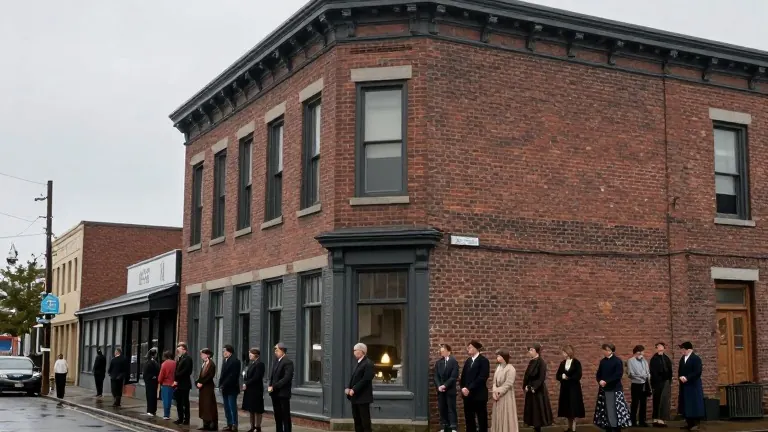
Residents of the San Juan Island region and surrounding areas mark the 110th anniversary of the Everett Massacre on Thursday. The event, which took place on the waterfront in Everett, remains the deadliest labor confrontation in the history of the Pacific Northwest. At least seven people died during the gun battle, and more than 50 were wounded.
The conflict began in May 1916 when a shingle weavers union went on strike. Workers demanded eight-hour workdays, higher pay, and better conditions. Members of the International Workers of the World, known as Wobblies, traveled to Everett to support the strike. They began speaking on local streets but faced resistance from business leaders and law enforcement.
The violence escalated on Nov. 5, 1916. A ship carrying approximately 260 passengers, mostly Wobblies, arrived in Everett. The group intended to demonstrate at the corner of Hewitt and Wetmore Avenues. Deputized men armed with guns and rifles waited for them. According to the Everett Public Library, the deputies had heard rumors that armed anarchists were coming to burn the city.
A shot was fired, and minutes of chaotic shooting followed. Five members of the labor group died in the fighting: Felix Baran, Hugo Gerlot, Gustav Johnson, John Looney, and Abraham Rabinowitz. It is possible that up to six other Wobblies also died, though their bodies were never recovered. Some suspect these men were killed and their remains were secretly removed from the water. Two deputies, Jefferson Beard and Charles Curtiss, also lost their lives.
Seventy-four Wobblies were charged in the death of Deputy Beard. Only one of those cases went to trial. The defendant was acquitted. Defense attorneys argued that the Wobblies acted in self-defense and that Beard may have died from friendly fire. To this day, it remains unclear who fired the first shot.
The day became known as Bloody Sunday in the working-class city, which is known for its strong union roots. The anniversary serves as a reminder of the tension between labor groups and local authorities in the early 20th century.
Source: Everett Herald · original report published
More News · Marysville news · Report a business · Got a Story?