298,000: The death toll Japan wants to avoid with new agency
A new national body of 350 workers takes over disaster coordination to address gaps exposed by the 2011 tsunami and recent quakes.
By Amina Yusuf ·
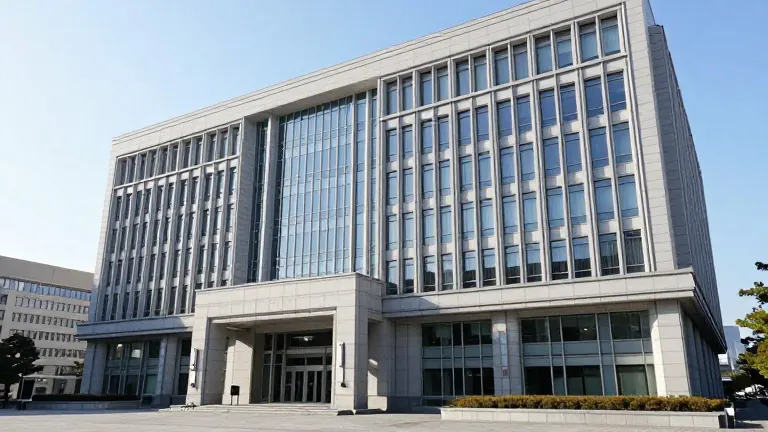
Government assessments estimate that a megaquake along the Nankai Trough off southeastern Japan could kill 298,000 people. The projection includes 6.5 million evacuees and 2.35 million lost homes. These figures drove Tokyo to create a dedicated national entity for disaster management on Monday.
The new National Disaster Management Agency will employ more than 350 workers. Its mandate covers preparedness, emergency response, and reconstruction. Previously, Japan relied on temporary task forces composed of officials from various ministries. Those groups lacked a permanent cross-departmental command center.
Reconstruction Minister Goshi Hosono will manage the agency under Prime Minister Sanae Takaichi. Hosono served as the minister in charge of the Fukushima nuclear crisis following the 2011 disaster. He stated that the agency aims to become the world's most prepared. "As the command center of disaster response, we will do everything to strengthen our preparedness to protect people's lives and properties," Hosono said.
The creation of the agency addresses long-standing concerns about readiness. A previous reconstruction body helped northern Japan recover from the 2011 quake and tsunami, which killed nearly 20,000 people. That effort included the long-term decontamination and decommissioning of the Fukushima nuclear plant. However, no centralized disaster agency existed to oversee broader national risks.
Hosono cited specific deficiencies in current municipal planning. He noted that less than half of municipal officials in Japan received disaster management training in the past five years. Only 15% of municipalities have evacuation contingency plans for elderly and handicapped residents who require assistance. The agency issued emergency requests for citizens to check home quake resistance, anchor furniture, and stock supplies for at least three days.
Other seismic risks remain high. A major quake from troughs off the northern coast could result in nearly 200,000 deaths. A significant event in metropolitan Tokyo could kill an estimated 18,000 people, displace 4.1 million, and destroy 400,000 homes. A Mount Fuji eruption could affect 790,000 people and disrupt key infrastructure.
The agency also targets the conditions in evacuation centers. Current shelters often consist of gymnasiums and classrooms that lack privacy, bedding, and hot food. In July, a magnitude 7.1 earthquake in Kumamoto killed 38 people and damaged more than 69,000 homes. Many survivors stayed in vehicles or parking lots due to punishing heat and a lack of air conditioning in shelters.
The 2011 disaster killed nearly 19,800 people, including 3,810 deaths linked to harsh living conditions afterward. The new agency plans to introduce clean portable toilets, kitchens for hot food, hot bath facilities, and cardboard beds to mitigate these health risks.
Source: Houston Chronicle