Democrats Flip Washington House Seats as National House Gains 218-214 Majority
In Whatcom County, voters returned ballots for all federal House seats and state offices, contributing to a Democratic wave that secured a 218-214 House majority and seven new Senate seats.
By Matthew Collins ·

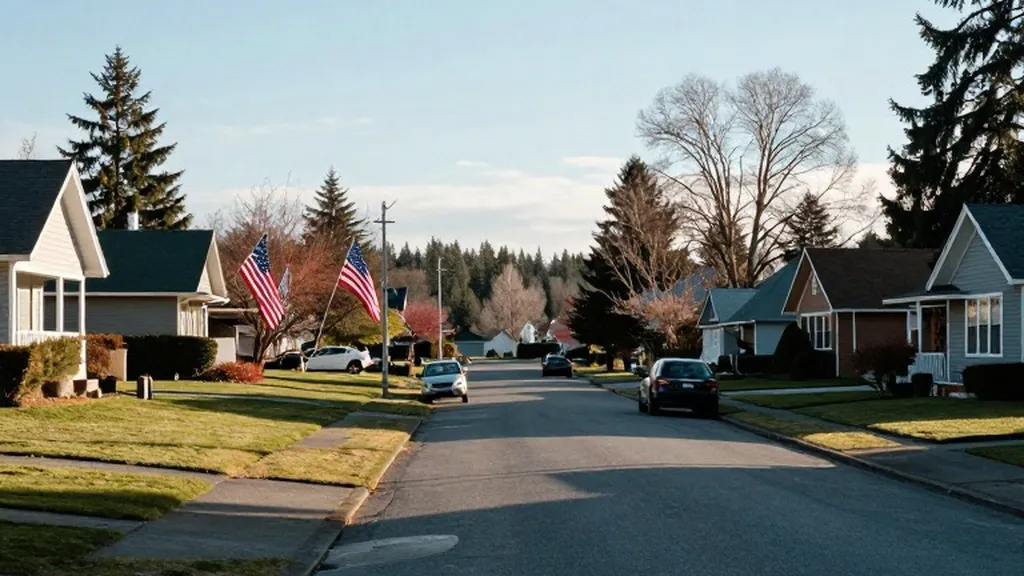
Whatcom County residents in Bellingham, Marysville, and Lake Stevens completed their civic duty on Tuesday, November 3, 2026, by returning ballots for a ballot that included every U.S. House seat in Washington state. The county participated in a broader statewide election that featured contests for state senators, state representatives, members of the State Supreme Court, and intermediate appellate judges. Local voters also weighed in on municipal government offices and a series of ballot measures that varied by county. Washington conducts its elections largely by mail, meaning the final tally of votes reflected ballots received by the closing deadline of 8 p.m. on election day.
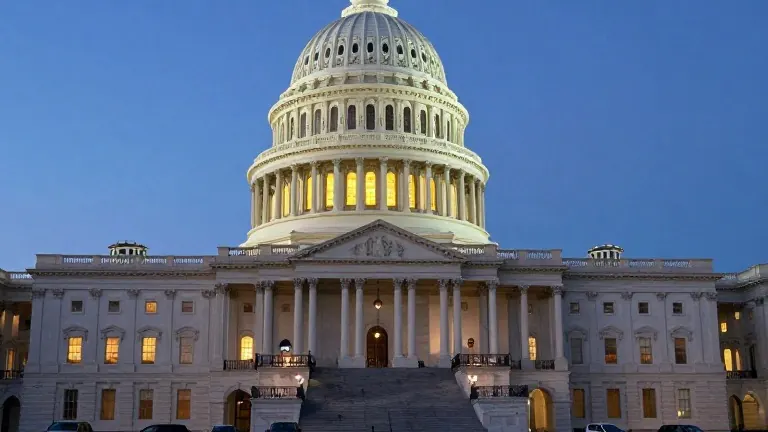
The results in Washington aligned with a significant national shift in power. Democrats secured majorities in both the U.S. House and the Senate, a outcome that marked a decisive turn in the federal government. In the U.S. House, Democrats picked up at least 43 seats, including 42 that were previously held by Republicans and one held by an independent. This gain allowed Democrats to claim a majority of at least 250 seats against 157 for Republicans, based on results reported as of 4 p.m. EST on November 6, 2026. This majority is defined by a 218-214 split in control, giving the party holding the majority a three-seat margin over the opposition.
The national House race involved 46 battleground districts that determined the final balance of power. The outcome was influenced by new congressional maps in seven states, which reshaped district boundaries and altered the competitive landscape for candidates. These new maps played a critical role in the 43 House seats that changed hands, as voters in newly drawn districts voted with the prevailing national sentiment. The three-seat margin in the House is a narrow lead that will define the legislative strategy for the incoming majority.
In the U.S. Senate, Democrats gained at least seven seats, all of which were previously held by Republicans. This resulted in a 54-44 majority for Democrats in the chamber. The net loss of at least seven Senate seats for Republicans placed this election year in the top 20% of election years in terms of seat swings against a president’s party. This threshold is widely defined as a wave election, indicating a strong voter preference for the opposition party during a midterm cycle. The Senate result provided a more decisive margin than the House, where the three-seat lead remains a tight constraint on legislative maneuvering.
The election also produced a plurality of state government trifectas for Democrats, meaning the party now controls the governor's office and both chambers of the state legislature in more states than any other party. Democrats also won a majority of governorships for the first time since before the 2010 elections. This state-level success complements the federal wins, giving Democrats a broader base of power across the country. The shift in state legislative chambers further solidified the party's ability to pass state-level legislation and influence local policy.
For the people of Bellingham, Marysville, and Lake Stevens, the election represented a chance to influence national policy through the U.S. House seats in Washington. With no U.S. Senate or governor elections on the ballot this year, the focus remained on the federal House and state legislative races. Voters in the county chose candidates for the state legislature who will now work alongside their federal counterparts in Washington, D.C. The local impact of the national House flip will be felt in the allocation of federal resources and the legislative priorities of the new congressional majority.
The 218-214 split in the House signals a period of intense negotiation in Congress. With only a three-seat margin, the Democratic majority will need to maintain discipline to pass legislation and withstand challenges from the Republican minority. The 46 battleground districts that determined the final count will likely be the focus of future electoral analysis and campaign strategy. The new maps in seven states will continue to shape the political landscape, providing a framework for future elections and redistricting debates.
The wave election nature of the Senate results, with a 54-44 Democratic majority, provides a stronger foundation for legislative action than the House. However, the narrow House margin suggests that the party in power will face significant hurdles in passing major bills. The three-seat lead is a reminder of the competitive nature of the 2026 midterm elections and the importance of every vote in the 435 total House seats. The outcome reflects a clear mandate from voters who sought change in the federal government.
As the new Congress prepares to convene, the focus will shift to the implementation of the agenda supported by the 250-157 House majority. The Democrats' control of both chambers, combined with their plurality of state trifectas, positions them to pursue a comprehensive legislative program. The results from Washington state, including the contests for state supreme court and appellate judges, will also influence the legal landscape in the Pacific Northwest. The election of November 3, 2026, has set the stage for the next two years of governance and policy development.
The final results from the 2026 midterm elections confirm a significant shift in the balance of power. Democrats now hold the majority in the U.S. House with a 218-214 split and in the Senate with a 54-44 majority. The 43 House seats gained and the 7 Senate seats flipped mark a decisive victory for the party out of power. The three-seat margin in the House and the 46 battleground districts will remain central to the political narrative as the new session begins. The election results from Whatcom County and across Washington state contributed to this national outcome, reflecting the preferences of voters in the region.