Washington voters decide House races as Democrats sweep national governor contests
Bellingham residents voted in U.S. House and state legislative races on Tuesday, joining a national trend where Democrats captured a majority of governorships in an 18 to 18 split.
By Sarah Reynolds ·
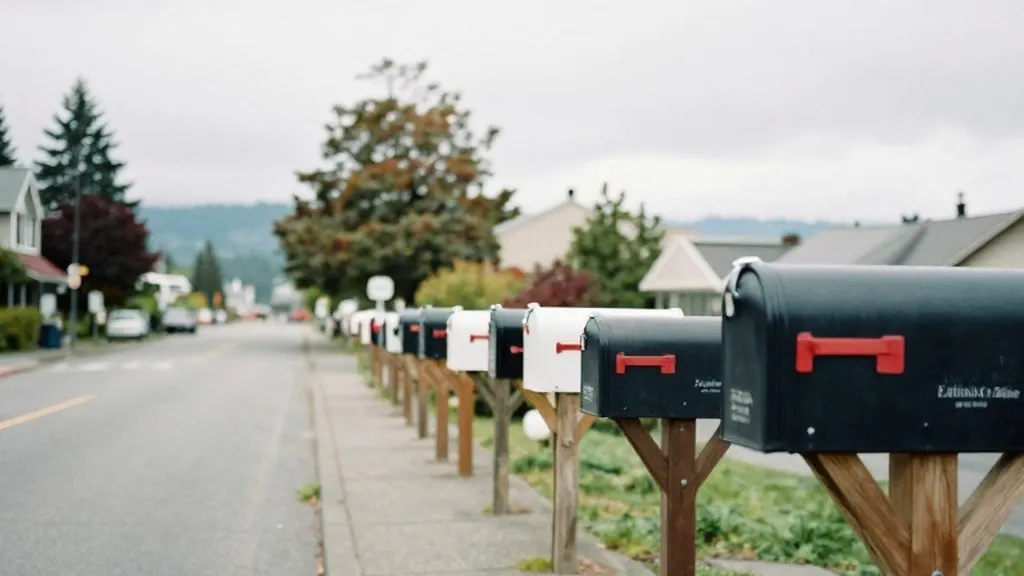
Voters in Bellingham and across Whatcom County completed the 2026 general election on Tuesday, November 3. The state of Washington did not hold a gubernatorial race this cycle, meaning the local focus turned to the nine U.S. House seats, state legislative districts, and various ballot measures. Polls closed at 8 p.m., consistent with the state's standard voting procedures which rely heavily on mail ballots. The election marked a significant national shift, with Democrats winning a majority of governorships for the first time since before the 2010 elections. This national context frames the local results, even as Washington voters concentrated on congressional and statehouse control.
The national tally revealed a distinct pattern in the 36 governor races held across the country. The outcomes resulted in an even 18 to 18 split between the two major parties. This balance reflects a competitive landscape where neither party achieved a dominant sweep, but the Democratic gain of a majority of these offices represents a strategic victory. Among the 36 races, 19 were open seats, indicating a high turnover in executive leadership. This turnover often signals a change in policy direction or a reshuffling of state priorities, a dynamic that Washington observers have noted as a sign of broader political realignment.
Nine of these governor races were considered battlegrounds, where the margin of victory was too close to call in early projections. The closeness of these contests underscores the intense campaigning that characterized the midterm season. In several of these states, the outcome hinged on turnout in suburban and rural areas, a trend that has persisted in recent cycles. The fact that Democrats emerged with the majority of these seats, despite the 18 to 18 split in total governors, suggests they performed well in these pivotal contests. This performance is consistent with their gains in the U.S. Senate, where they picked up seven seats, all previously held by Republicans.
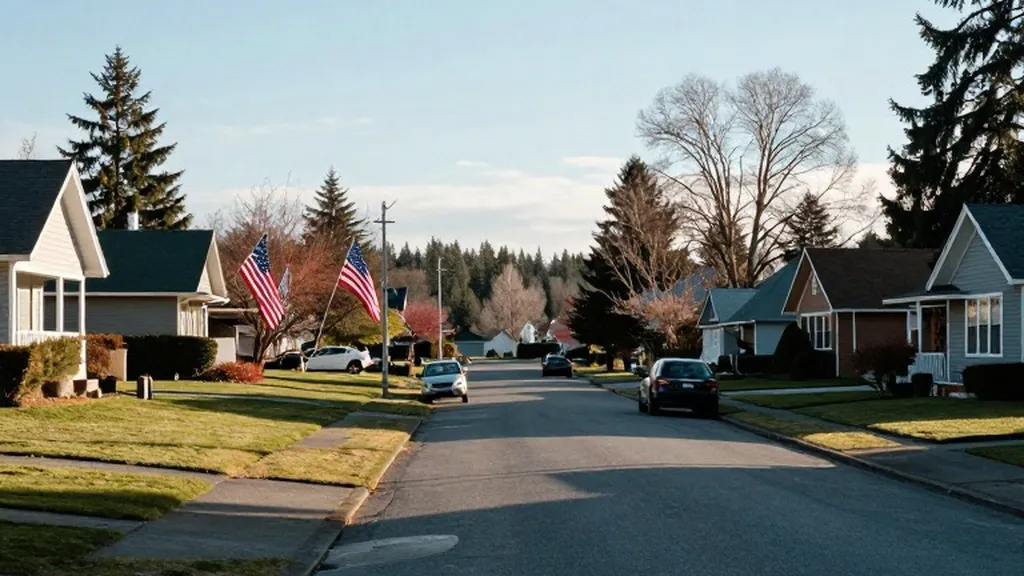
Washington state voters participated in a different set of contests, with every U.S. House seat in the state on the ballot. There was no election for the U.S. Senate or the governorship, as those offices are on a different cycle. The state legislative races for the State Senate and State House were also prominent, alongside elections for the State Supreme Court and intermediate appellate courts. Municipal government elections in Bellingham, Marysville, and Lake Stevens also took place, allowing residents to choose local leadership. These local races often determine zoning, transportation, and public safety priorities that directly affect daily life in the region.
The national results show that Democrats won at least 43 U.S. House seats, shifting the balance of power in Congress. This gain, combined with the seven Senate seats they captured, ensures a Democratic majority in both chambers for the next two years. This control allows the party to advance its legislative agenda, including oversight of the executive branch. In Washington, the outcome of the House races will determine the state's representation in this new Congress. The party that wins the most seats in the state will hold the local delegation's influence, shaping how federal funds and policies affect the Pacific Northwest.
Among the 19 open governor seats, the absence of incumbents allowed challengers to define the race on their own terms. This lack of an established record meant that candidates had to rely on local issues and national sentiment to gain support. In states where the governor was not running, the race often became a referendum on the outgoing administration's performance. The results in these open seats contributed to the overall 18 to 18 split, with Democrats securing a plurality of the total governorships. This outcome is notable because it marks the first time Democrats have held a majority of governorships in over a decade.
The nine battleground governor races were closely watched by analysts who noted that the margin of victory in these states was often less than one percentage point. These tight races reflect the divided nature of the American electorate, where voters remain split on key issues such as the economy, healthcare, and foreign policy. The fact that Democrats won a majority of these battlegrounds suggests they were effective in mobilizing their base and appealing to moderate voters. This success is mirrored in their performance in the U.S. House, where they picked up seats in competitive districts across the country.
In Washington, the election also included ballots for state Supreme Court and intermediate appellate court judges. These judicial elections are nonpartisan, but voters often consider the ideological leanings of the candidates. The results of these races will shape the state's legal landscape for years to come, affecting issues from property rights to environmental regulations. The concurrent local elections in Bellingham and surrounding towns provide a snapshot of community priorities, with residents voting on measures related to infrastructure, housing, and local governance. These local decisions complement the broader state and national outcomes.
The 18 to 18 split in governorships is a rare occurrence in modern elections, highlighting the polarized yet balanced nature of state-level politics. This split means that neither party has a clear mandate to reshape state policy across the board, but the Democratic majority in the total number of governorships gives them a platform to lead. The national wave election, characterized by significant seat swings against the president's party, underscores the voters' desire for change. In Washington, the results will be finalized in the coming days, but the early trends align with the national picture of Democratic gains in both federal and state offices.