Washington voters cast ballots as national midterm results emerge
With all U.S. House seats and state offices on the ballot, Bellingham residents participated in a pivotal election cycle that coincided with historic national victories and a shifting political landscape in Washington, D.C.
By Matthew Collins ·
Election Day in Whatcom County concluded with polls closing at 8 p.m., marking the end of a general election that saw voters in Bellingham, Marysville, and Lake Stevens decide the fate of every U.S. House seat in Washington, state legislative offices, and various ballot measures. Washington conducts its elections largely by mail, but the final in-person votes cast on Tuesday finalized the results for the 2026 midterm cycle. For residents of the county, the day represented a critical check on the direction of local and state government, as well as the federal legislature, which is set to be reshaped by the national outcomes.
In the state of Washington, no U.S. Senate or gubernatorial elections were held this year. Instead, the focus was entirely on the House of Representatives, the state legislature, and the judiciary. Voters across the state, including those in the 3rd Congressional District which covers much of Whatcom County, selected representatives to serve in the next Congress. The state also decided seats in the State Senate and State House, along with positions on the State Supreme Court and intermediate appellate courts. These races determine the balance of power within the state government for the next two years, influencing policy on transportation, education, and local development in the Bellingham area.
Nationally, the 2026 midterm elections produced a wave of historic firsts that signaled a significant shift in American politics. In the U.S. Senate, Peggy Flanagan of Minnesota became the first Native American woman elected to the chamber. Flanagan, a citizen of the White Earth Nation and the state's outgoing lieutenant governor, credited her victory to the support of Native women across the country. Her win places her in the company of Oklahoma Republican Sen. Tom Cole, a citizen of the Chickasaw Nation, and potentially Alaska Democrat Mary Peltola if her race is settled in her favor, which would mark the first time three Native people serve in the Senate simultaneously.
In New Mexico, Deb Haaland made history as the first Native American woman to win a state governorship. Haaland, a Laguna Pueblo citizen, was previously the first Native American to lead a U.S. Cabinet agency, serving as the Secretary of the Interior. Her victory in New Mexico adds to a broader trend of Native American women achieving leadership positions that have rarely been held by their demographic in the past. The election also saw the Navajo Nation elect Crystalyne Curley as its first woman president. Curley narrowly defeated attorney Justin Jones in a race that marked a turning point for tribal governance, with Curley stating that she faced sexist rhetoric during her campaign but expected to be held to higher standards.
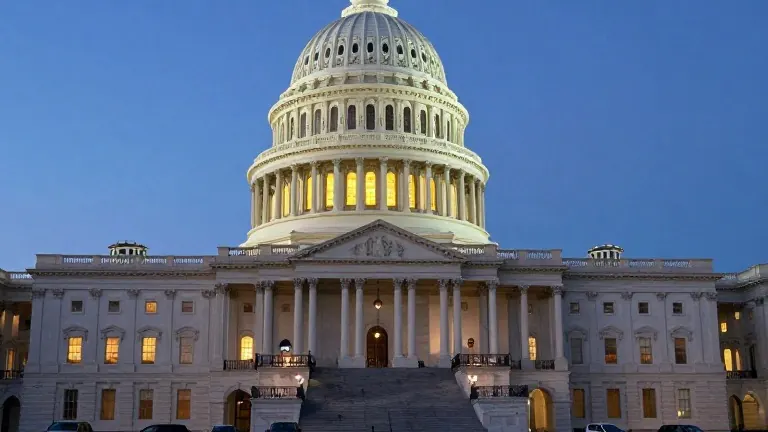
The results in Washington, D.C., set the stage for a new dynamic in the executive and legislative branches. Democrats won healthy majorities in both the House and Senate, positioning them to lead investigations into the executive branch. Rep. Robert Garcia, who is poised to chair the House Oversight Committee, declared that the days of Democrats not fighting back are over. He prepared to launch investigations into what he described as the Trump crime family, signaling an aggressive approach to oversight. President Donald Trump responded with a combative stance, declaring on social media that investigative requests by Democrats were extortion at the highest level.
The new congressional leadership is also navigating internal debates about the scope of their investigations. Sen.-elect Adam Hamilton, the first Democrat elected to the Senate from Kansas in 94 years, expressed skepticism about pursuing impeachment, arguing that his campaign was focused on bringing people together rather than dividing the country. He emphasized the need to set up guardrails and prioritize lowering the cost of living for working-class families. This perspective aligns with comments from Sen. Bernie Sanders, who warned that Congress cannot spend all its time investigating the president but must stand up for working-class families to make a real difference in their lives.
The shift in power has also brought new tensions within the Democratic Party. House leader Hakeem Jeffries, who is on the cusp of becoming the nation's first Black House speaker, has cast doubt on working with Trump's new chief of staff, Stephen Miller. Jeffries called Miller an awful choice and expressed commitment to forcefully pushing back against the extremism that the administration may try to unleash. Jeffries also supported a pending resolution to impeach Defense Secretary Pete Hegseth, stating that he is a hard yes on the resolution. Hegseth, in turn, dismissed the impeachment push as all about the politics of personal destruction, asserting that it will not work with him.
In Ohio, the midterm results highlighted the political power of survivors of sexual abuse and gender-based violence. Dr. Amy Acton, a Democrat, won the governor's race by 8 points in a state where her party had not elected a governor in nearly 20 years. Her victory came despite a campaign ad by her opponent, Vivek Ramaswamy, which weaponized her childhood sexual abuse history. Acton's win is seen as a milestone for a growing political constituency of survivors who are showing up at statehouses and lobbying Congress to change laws that protect them. The election also saw several other candidates with similar backgrounds gain ground or win seats, indicating a broader trend in voter priorities regarding personal accountability and leadership.
In Washington, the lack of a Senate or gubernatorial race allowed voters to focus on the granular details of state and local governance. The results in the 3rd Congressional District will determine the representation for a significant portion of Whatcom County in the federal government. Statewide, the election of new judges to the State Supreme Court and intermediate appellate courts will shape the legal landscape for years to come. The ballot measures that passed or failed on Tuesday will have immediate impacts on local taxes, zoning, and public services in cities like Bellingham and Marysville, affecting the daily lives of residents.