Immigration Agents Ramp Up Raids in North Jersey and Beyond Before Midterms
Councilwoman Sandra Wittner witnessed a surge in Dover, N.J., while experts warn the timing aims to intimidate voters, yet early turnout is rising.
By Amina Yusuf ·
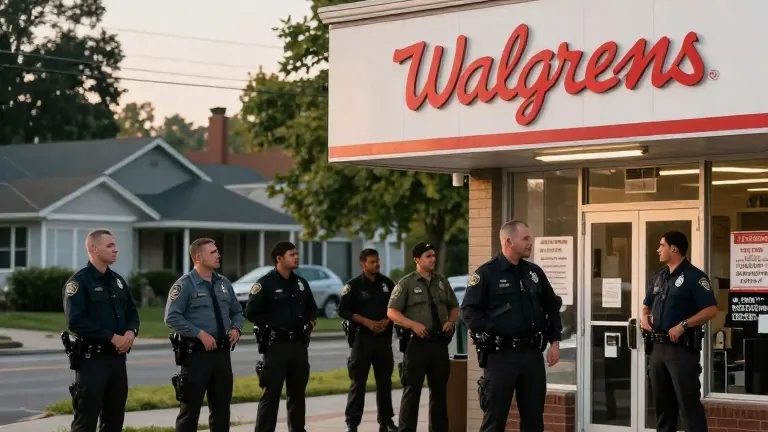
Wednesday dawned with a sense of unease in Dover, N.J., as Councilwoman Sandra Wittner checked her phone. Messages from neighbors described a dozen or more immigration agents gathering outside a local Walgreens. By daybreak, the small town in north New Jersey was experiencing a visible spike in activity from Immigration and Customs Enforcement. This local disturbance mirrored a pattern emerging in cities and states across the country in the weeks leading up to the midterm elections.
Wendy Weiser, a legal scholar at the Brennan Center for Justice at New York University Law School, analyzed the timing of these operations. She stated that the tactics deployed by the administration in various communities appear designed to intimidate voters. Despite the visible presence of federal agents, data suggests that early voter turnout is currently surging rather than shrinking.
Wittner described the atmosphere in her district as one of apprehension and fear. She noted that residents were unsure if a major operation was imminent, leaving people feeling unsafe. She remained uncertain about the specific identities of those detained or the precise locations of the arrests. This lack of clarity is common in recent crackdowns because the Department of Homeland Security no longer shares timely information about its operations with the public.
When NPR inquired about a recent increase in activity, the agency responded in writing. It stated that ICE agents uphold the nation's immigration laws in all 50 states, seven days a week, and 24 hours a day. However, tips collected by NPR and its member stations point to a different reality on the ground. Reports of surges in enforcement have come from rural areas in Illinois, Oregon, Detroit, and California throughout October.
In New York City, an official in Mayor Zohran Mamdani's office confirmed the trend. The official, who was not authorized to speak publicly, said the administration has noted a surge in ICE activity. A member of a volunteer group that monitors these operations described the shift in intensity. She asked not to be named for fear of retaliation and explained that her group documents scenes and reminds detainees of their rights. She observed numerous large operations, or cluster raids, in the past few weeks where agents moved from one location to another.
Troy Brynelson, a reporter for Oregon Public Broadcasting, has tracked a similar increase in Portland. He noted that ICE activity picked up noticeably in early October and continued through the month. The enforcement has been concentrated in commercial areas. Brynelson described the change as a noticeable uptick compared to the activity levels seen during the summer months.
Juan Proaño of the League of United Latin American Citizens expressed concern about the proximity of these actions to election day. He clarified that the issue is not agents at the polling station itself, but rather at the perimeter. He warned that mass enforcement actions, even if distant, could dissuade voters from going out due to news coverage and social media reports.
Weiser countered that the intimidation strategy does not seem to be succeeding. She reported no indication that raids are affecting turnout. Instead, she cited a surge in early voting across minority communities, including Latino communities and other groups targeted by ICE and the Department of Homeland Security. She stated that Americans are tuning out the fear and participation is actually increasing in these targeted groups.
Weiser added that while the current data is positive, intimidation at the polls remains illegal. She urged residents to report any instances of such behavior. The volunteer in New York continued to document the cluster raids, while Wittner in Dover waited for official confirmation of who had been detained. The race for the midterms proceeds with federal agents visible in more communities than before.
Source: Central Florida Public Media