New B.C. government signals shift in cross-border priorities
Voters in British Columbia elected a Conservative majority, replacing the NDP after a decade in power, prompting questions about the future of regional cooperation.
By Amina Yusuf ·
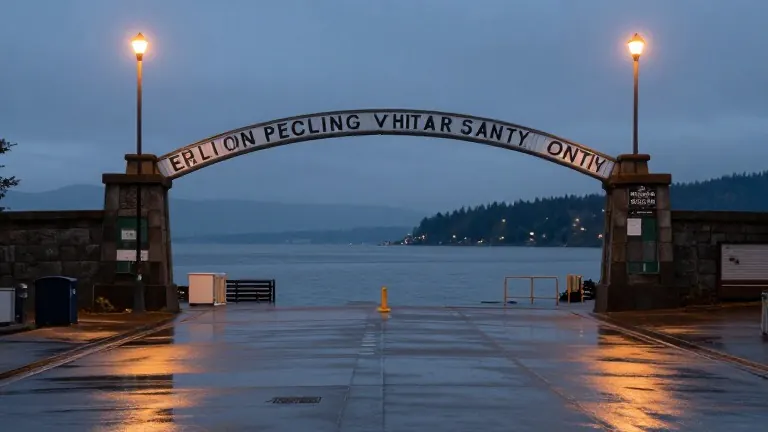
Residents in Bellingham and other border communities may see changes in how their northern neighbors approach trade, energy, and environmental regulation. British Columbia voters returned a solid majority for the Conservative Party in the provincial election held in late October 2026. This result ended nearly a decade of governance by the New Democratic Party, or NDP.
The incoming leadership faces a transition period as many newly elected members of the Legislative Assembly gain experience in Victoria. Lorne Doerkson, the Conservative Party interim leader, has outlined an agenda focused on industrial growth. He plans to increase the production of liquified natural gas and expand shipping activity on the province's north coast. Doerkson also intends to overhaul the provincial carbon tax system.
This approach contrasts with the policies of previous administrations. The NDP government often aligned with Democratic lawmakers in Olympia on regional issues. That alignment allowed for collaboration on projects like high-speed rail and shared climate goals. Former B.C. Premier John Horgan and Washington Governor Jay Inslee worked together on these initiatives in recent years.
The current political climate has altered that dynamic. Tensions have risen between the United States and Canada due to tariffs and federal policy disputes. The Canadian government approved the Roberts Bank port expansion, a project with ecological impacts on the Salish Sea and nearby communities such as Point Roberts and Blaine. The NDP government offered limited pushback against this expansion.
Historically, B.C. and Washington have resolved border disputes through direct diplomacy. In the early 1970s, Premier Dave Barrett and Governor Dan Evans met at Western Washington University in Bellingham. They held a three-day symposium to address the Ross Dam controversy in the North Cascades. This meeting served as a model for regional cooperation during a time of conflict.
Polling data from Angus Reid indicates that B.C. voters prioritized living costs, housing affordability, healthcare, and public safety in this election. Environmental challenges remain a priority, particularly for the densely populated Lower Mainland facing new industrial developments. However, these issues did not determine the outcome of the provincial vote.
The shift in Victoria opens a window for renewed dialogue between the two regions. The B.C. government's focus on economic growth may create new opportunities for trade and infrastructure projects along the 49th parallel. Washington state officials and B.C. leaders have a shared interest in addressing quality-of-life issues that affect residents on both sides of the border.
More News · Bellingham news · Report a business · Got a Story?