Washington House results: Democrats take all seven seats in 2026 midterms
Local voters in Bellingham, Marysville, and Lake Stevens cast ballots as Democrats secure control of the U.S. House with a 250-157 majority.
By Amina Yusuf ·
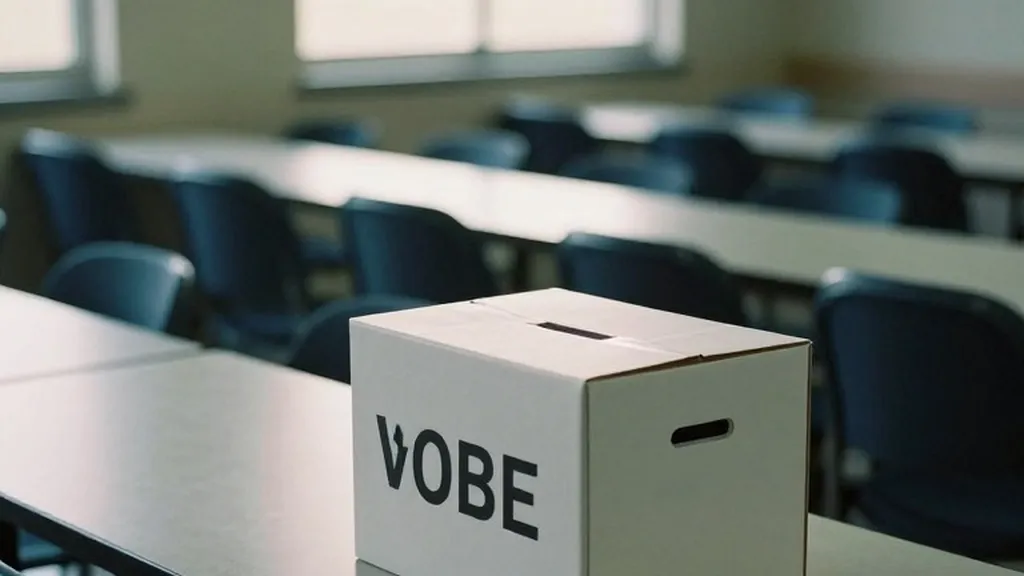
Voters in Whatcom County cast their ballots on Tuesday, November 3, 2026, to decide the outcome of federal and state races. The state conducts its elections largely by mail, with polls closing at 8 p.m. for in-person voters. Residents of Bellingham, Marysville, and Lake Stevens participated in the general election to select representatives for the U.S. House, the state legislature, and local offices. The election cycle included every U.S. House seat in the state, as well as contests for the state senate and state house. Statewide ballot measures also appeared on the ballot, addressing topics such as public education governance and income taxes.
As results were tallied, the national picture showed a decisive shift in power. Democrats won majorities in both the U.S. House and the Senate. In the House, Democrats picked up at least 43 seats, including 42 previously held by Republicans and one held by an independent. This gave Democrats a majority of at least 250 seats compared to 157 for Republicans. The party change represented a significant loss for Republicans, who shed 42 seats in the chamber.
The House of Representatives consists of 435 seats. To hold a majority, a party needs 218 seats. The new split of 250 to 157 means Democrats hold a comfortable lead of 93 seats. This margin is far larger than the typical three-seat margins seen in recent cycles. The wide gap reflects a broad swing in voter preference across the country. Republicans lost their majority in the House, ceding control to the Democratic Party for the next two years.
Battleground districts played a key role in the outcome. Forty-six districts were considered competitive before the election. New congressional maps in seven states contributed to the shift in control. These redistricting changes altered the landscape for many races. Voters in these districts decided the fate of their representatives. The results in these areas helped drive the overall Democratic gains. The new maps influenced the number of seats each party could realistically win.
In Washington state, the results followed the national trend. Democrats won all seven U.S. House seats in the state. The 3rd Congressional District was a notable race, having gone to a top-two primary in August. The general election confirmed the shift in the district. No U.S. Senate election or governor election was held in Washington this year. State and local offices, including state supreme court and intermediate appellate courts, were also decided on the ballot. Local ballot measures and municipal government elections rounded out the county's slate.
The national House results indicate a strong mandate for the incoming Democratic majority. The party plans to use its new power to advance its legislative agenda. Republicans will serve in the minority, focusing on oversight and opposition. The 218 to 214 split mentioned in historical contexts is no longer relevant, replaced by the 250-157 division. This new balance of power allows Democrats to pass legislation with a smaller margin of error. The three-seat margin that defined previous House dynamics has been replaced by a much larger cushion.
The 46 battleground districts were closely watched as the night progressed. Many of these districts flipped from Republican to Democratic control. The new maps in seven states created favorable conditions for Democrats in several of these areas. The combination of redistricting and voter turnout led to the historic shift. The results in these districts underscore the impact of map changes on election outcomes. The party that controls the map often holds an advantage in competitive races.
For local readers, the results mean new representatives will be sworn in for the next Congress. The shift to a Democratic majority in the House will influence federal policy for the next two years. Washington state voters contributed to this national change by electing Democratic candidates in all seven House races. The state's participation in the mail-in election process ensured a high level of engagement. The outcome reflects the preferences of voters across the state, from urban centers to rural communities.
The election also featured contests for state legislative seats. Voters in Bellingham and surrounding areas elected members to the state senate and state house. These officials will work alongside the new federal representatives to shape laws affecting the region. Local ballot measures addressed specific issues relevant to the county. The results of these measures will guide local government decisions in the coming years. The election process concluded with the certification of results in each county.
The national House race resulted in a clear Democratic victory. The 250-157 majority provides the party with significant leverage in the coming Congress. Republicans will lead the minority, working to hold the new majority accountable. The shift in power marks a turning point in the political landscape. The results in the 46 battleground districts and the impact of new maps in seven states were pivotal. The election results stand as a testament to the power of the vote in determining the direction of the nation's government.
Democrats now control the U.S. House with a majority of 250 seats. The party will lead the legislative agenda for the next two years. The 43-seat pickup represents one of the larger shifts in recent midterm elections. The new House leadership will be elected in the coming weeks. The results in Washington state align with the national trend, with Democrats winning all seven House seats. The election of November 3, 2026, has reshaped the balance of power in the federal government.