Actor Turturro Trains For Pickpocket Role
The 69-year-old studied sleight of hand with Apollo Robbins for a new film where he plays a caretaker and thief.
By Amina Yusuf ·
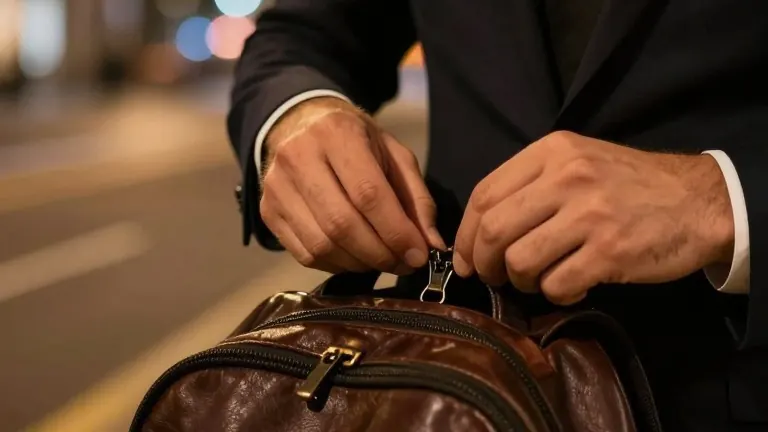
John Turturro says he is ready to steal a wallet from you, provided your clothing cooperates. He notes that horizontal pockets in tight jeans are difficult to target. Back pockets offer a better chance. A purse or backpack with an unzipped zipper is the easiest mark.
This specific advice comes from his preparation for a new movie titled The Only Living Pickpocket in New York. In the film, Turturro stars as Harry. Harry is a skilled thief who serves as the primary caretaker for his wife. She remains in a catatonic state. The plot shifts when Harry steals the backpack of a college student. That student turns out to be the grandson of a crime boss.
To perfect the craft, Turturro worked with Apollo Robbins. Robbins is a well-known sleight-of-hand artist. He coached Turturro on the art of misdirection. Turturro says Robbins gave him specific exercises and worked directly with him. Turturro practiced picking pockets in the production office and on set throughout the shoot.
Turturro has played morally complex characters for decades. His film credits include Five Corners, The Big Lebowski, O Brother, Where Art Thou?, and Do the Right Thing. In recent years, he appeared in the television series The Night Of, The Plot Against America, and Severance. He says he is attracted to these types of roles because he wants to learn new skills.
He describes his approach as mining everything he can. He likes the unknown of potentially failing. He finds that exciting. Turturro is currently 69 years old. He says he tries to stay in shape and keep his memory sharp. He believes an older actor has a fuller toolbox of experience. They may not jump fences as quickly, but they can understand stillness and be precise.
Turturro also discussed his personal history in the interview. He served as the legal guardian to his late brother, who had schizophrenia. He had to find residences, hire aides, and manage the day-to-day care. His brother could be abusive and unpredictable. Turturro says he was always on high alert, even while traveling around the world. He eventually helped his brother find a monthly medication that stabilized his condition.
He recalled that his brother was a good musician and a perceptive person. Turturro says his brother once told him he had given him a lot of material. Turturro replied that it was true, but at a high cost. He learned a lot about human behavior and how to protect himself during that time.
Turturro also reflected on his childhood. His father had PTSD from World War II, specifically from D-Day. Turturro says he saw a lot of violence growing up. He often had to calm his parents down. He became a protector for his mother during those years. He says his mother was a dressmaker, and he would help her with patterns. He grew up in a predominantly Black neighborhood in Hollis, Queens, for his first six years. He later moved to Rosedale, where he felt prejudiced against because of his skin color.
Source: WCBE