Bellingham homeowners advised to inspect pipes and heating before winter rain
Local contractors outline steps to prevent frozen pipes, electrical faults, and indoor moisture issues as the season approaches.
By Sarah Reynolds ·
Bellingham, Wash. - Winter in the Pacific Northwest rarely arrives with a sudden freeze. Instead, the season typically sets in through weeks of rain, overnight temperatures dropping below 32 degrees, and storms that can cut power. Barron Heating AC Electrical & Plumbing, a local company that has served Northwest Washington homeowners since 1972, released a list of maintenance tasks for residents to complete before the weather turns.
The company advises homeowners to focus on six areas: pipes, water drainage, electrical systems, power outage preparation, heating equipment, and indoor air quality.
Pipe protection is a primary concern. Water expands when it freezes, which can cause cracks or bursts. Leaks often go unnoticed until the ice thaws. To prevent this, residents should disconnect garden hoses and drain outdoor faucets. Exposed pipes in crawlspaces, garages, and basements should be insulated. During extreme cold, opening cabinet doors under sinks along exterior walls allows warmer air to reach the plumbing. Homeowners are also told to keep the house heated even when away and to locate the main water shutoff valve in advance.
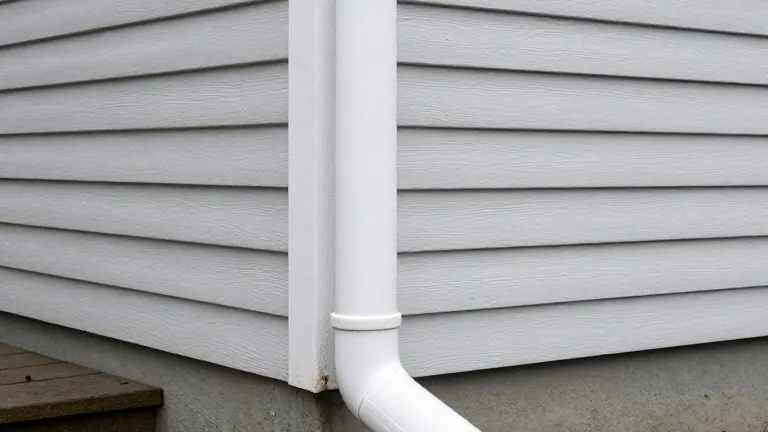
Rainy months can expose hidden roof leaks and drainage problems. Before the wettest weather arrives, gutters and downspouts need to be cleared of leaves and debris. Downspouts must direct water away from the foundation. Residents should inspect ceilings, window frames, and walls for water stains or peeling paint. Signs of damp insulation, musty smells, or visible mold in basements indicate moisture issues that can damage the building structure and affect air quality.
Electrical safety becomes more critical as the use of lighting, space heaters, and holiday decorations increases. Cords and plugs should be inspected for damage, and outlets should not be overloaded. Smoke and carbon monoxide alarms require testing. Portable space heaters must be placed on stable surfaces at least three feet from flammable items. They should be plugged directly into wall outlets and turned off when the room is unoccupied.
Power outages caused by wind and rain can stop heating systems, refrigerators, and well pumps. Barron recommends keeping flashlights, charged power banks, extra blankets, and drinking water on hand. Homes that rely on electricity for heat or water may benefit from a generator. Fuel-powered generators should never be run indoors, in a garage, or near windows where exhaust could enter the home.
Heating systems require attention before the coldest months. Air filters should be cleaned or replaced every three months. Supply and return vents should remain clear of furniture and drapes. Outdoor heat pump units need to be cleared of leaves, and residents should expect periodic defrost cycles that create frost on the unit. Uneven temperatures, unusual noises, or weak airflow are signs that the system needs professional maintenance.
Indoor air quality suffers when windows stay closed for long periods. Cooking, showering, and drying laundry add moisture and pollutants to the air. Kitchen and bathroom exhaust fans should be used and directed outdoors. HVAC filters need regular replacement. Frequent condensation on windows or lingering musty odors suggest a need for better moisture management and ventilation.
Barron notes that heating, electrical, and plumbing systems interact with one another. A power outage can affect heat and water, while poor ventilation can worsen moisture problems. The company offers services to evaluate how these systems work together to maintain comfort and efficiency.
Homeowners can schedule appointments with Barron online or by phone. The company provides free estimates for new equipment and emergency services.
Source: WhatcomTalk · original report published
More News · Bellingham news · Report a business · Got a Story?