Clocks Fall Back in Bellingham as Snohomish Mission Tower Clock Remains Stopped
Residents will gain an hour of sleep at 2 a.m. Sunday, while the historic 700-pound clock in the Snohomish County campus tower waits for grant funding to repair a mechanical failure.
By Sarah Reynolds ·
At 2 a.m. on Sunday, Oct. 31, clocks in Bellingham will fall back one hour as the region observes the end of Daylight Saving Time. The shift moves the region to Standard Time, adding an extra hour to the night and delaying the onset of darkness in the evening.
The practice of adjusting clocks twice a year has a complex history in the United States. In 1973, President Richard Nixon signed legislation intended to establish year-round daylight saving time. However, public opposition and concerns about students attending school before sunrise led Congress to revert to the standard schedule in October 1974. While Hawaii and most of Arizona do not observe the time change, the rest of the country continues the annual adjustment, with Congress periodically considering permanent rule changes.
The transition often results in mechanical challenges for vintage timepieces that cannot adjust automatically. Fred Kiesel, owner of the Country Clock Shop in Everett, reports an increase in customers seeking assistance to reset grandfather clocks and adjust watches. Kiesel describes the trade as a dwindling business sustained by the sentimental value of older mechanical devices.
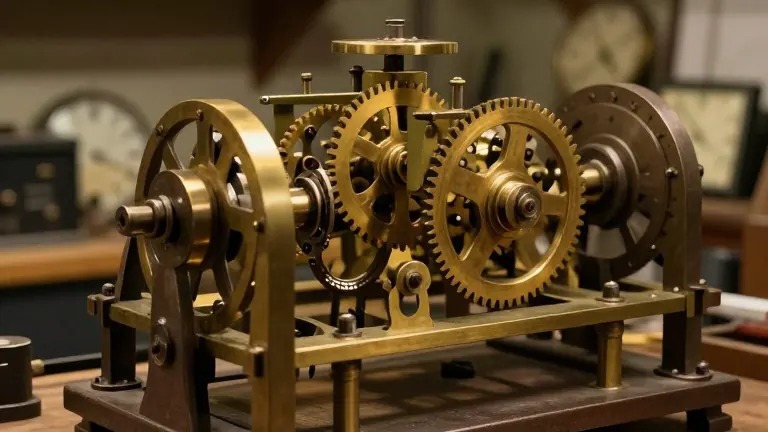
Kiesel has historically maintained the clock in the historic Mission Building at the Snohomish County campus. This required him to climb the tower to manually move the hands. The 700-pound clock, which has kept time since March 1910, is currently out of commission due to a mechanical failure in its main mechanism.
Kari Bray, a spokesperson for the Snohomish County Executive Office, confirmed the status of the tower clock in an email. She stated that the clock requires a rebuild to address the failure that has stopped it. The county is currently seeking grant funding to pay for the repair project. Because the amount of potential funding is not yet determined, officials do not have a firm timeline for when the repairs will begin or conclude.
The time change also affects biological rhythms, often leading to fatigue and irritability in the days following the shift. The earlier sunset may also influence mood, particularly for individuals prone to seasonal depression. In addition to resetting clocks, the seasonal change serves as a common reminder for residents to replace batteries in smoke detectors.
Residents in Bellingham will experience the time change at the same time as the rest of the state. The extra hour of sleep occurs between 1 a.m. and 2 a.m. on Sunday, after which the clock reads 1 a.m. again. The next adjustment will occur in the spring when clocks move forward.
Source: Everett Herald · original report published
More News · Marysville news · Report a business · Got a Story?