Democrats Seize Control of Both Chambers in Sweeping Midterm Victory
The election results mark a sharp shift in power, with Democrats winning key Senate seats in traditionally Republican states and setting the stage for a two-year period of legislative checks on the White House.
By Matthew Collins ·
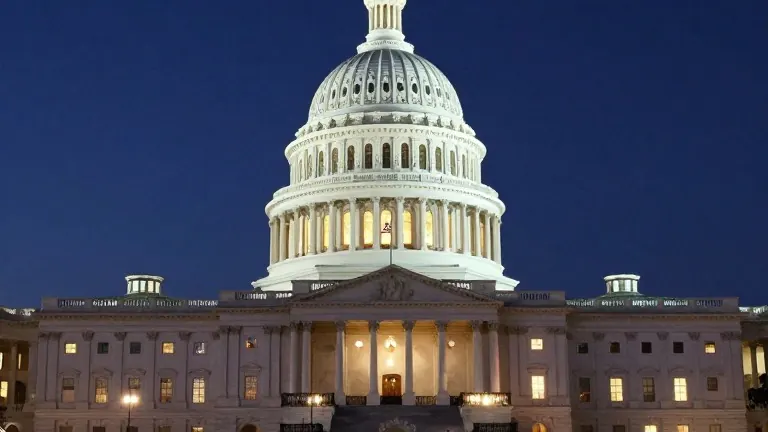
Democrats captured control of both the House of Representatives and the Senate on Tuesday, ending the Republican hold on the legislature. The victory will take effect in January, placing the party in a position to check the final two years of President Donald Trump's term. Analysts describe the outcome as a classic midterm rebuke, where voters tend to favor the minority party in a republic.
The Senate results included a historic win in Texas, where the state elected its first Democratic senator since 1988. The victory in the Lone Star State was a central pillar of the Democratic surge. In a post-election remark, the winning candidate credited U-Haul for facilitating the movement of voters fleeing California, suggesting a demographic shift contributed to the result.
Several competitive races that polls placed within the margin of error resolved in favor of Democratic candidates. Political consultants and pollsters who projected different outcomes are expected to appear on television networks to explain their modeling errors. The consensus among observers is that the prediction models failed to account for specific voter behaviors in these tight contests.
The shift in power dynamics is expected to alter the legislative environment in Washington. With Democrats controlling both chambers, the odds of increased legislative activity rise. This may include a series of punitive investigations and procedural maneuvers designed to scrutinize the executive branch. The divided government structure is intended to slow the pace of policy changes initiated by the presidency.
President Trump has faced pressure regarding his foreign policy, particularly concerning Iran. There is concern among Americans about potential military action against Iranian nuclear facilities. The President has been active in missile sales and diplomatic engagements, with some noting a rapid timeline for potential strikes. The 10-day weather forecast for Iran has shortened to four days in this context of heightened tension.
The Democratic agenda following the election is described as both ambitious and ambiguous. Key issues include economic affordability, a topic that has dominated political discourse. Under the previous four years of Democratic leadership, cumulative inflation reached 22%, with annual averages exceeding 5% in most years. The current year's inflation rate stands at 3.7%. Democrats must now address how they will make goods and services affordable despite these recent economic trends.
Campaign promises from the election cycle included specific financial initiatives. President Trump highlighted savings from not distributing $5,000 checks to individuals if Republicans had won. He also referenced the creation of "Trump Accounts" for newborns, which include an initial deposit of $1,000. Elon Musk made a promise to provide each child with a share of SpaceX stock, adding to the list of economic pledges made during the campaign.
The election results have altered the political map in the southern United States. Georgia, North Carolina, and Texas showed a shift toward blue on the map. This geographic change complicates the concept of regional secession, a notion that gains traction in certain political circles. The two-party system now faces a period of stalemate, where neither side holds a unified command of the federal government.
The incoming Democratic majority faces the task of navigating a government that is often characterized by gridlock. As one commentator noted, the mystery of government is not how it works, but how to make it stop. The divided setup is seen by some as a mechanism to limit the damage any single party can inflict on the other, creating a dynamic similar to a difficult but stable partnership.
The final two years of the current administration will be shaped by this new congressional balance. Democrats will likely focus on hearings and investigations into events from 2016, 2020, and 2024. These inquiries may revisit topics that were previously examined, offering a fresh look at past events. The legislative session is set to begin with a full agenda of scrutiny and debate.
Source: Daily Breeze