Tehran Calls for Hardline Stance After US Midterm Losses
Iranian officials framed the Democratic sweep as a rejection of the Iran war, warning that Washington should expect tougher negotiations going forward.
By Amina Yusuf ·

Iranian leaders moved quickly to interpret the US midterm election results as a direct verdict on the ongoing conflict with Tehran. The statements from the Supreme Leader and Parliament Speaker characterized the vote as evidence that American public support for the war has eroded significantly.
Ayatollah Mojtaba Khamenei, the current Supreme Leader, posted on an official English-language account on X that the process of the US's collapse has accelerated. He argued that the United States seeks the surrender of the Iranian nation and that any move toward submission would squander the sacrifices made by the Iranian people. Khamenei warned that showing weakness would embolden the enemy to launch further acts of aggression.
Mohammad Bagher Ghalibaf, the Iranian Parliament Speaker and chief negotiator with Washington, echoed this sentiment. He stated that Americans voted against the cost of living and the war. Ghalibaf added a specific warning that if the US government betrays its public will to serve international paymasters, it will learn that Iran's rejection comes with a nightmare.
These reactions followed the Democratic Party seizing control of Congress on Tuesday night. The election marked a major setback for President Donald Trump's Republican Party. The campaign had been heavily influenced by affordability concerns and the eight-month duration of the war with Iran. Trump had initially promised the conflict would last only weeks, but it has continued for over eight months.
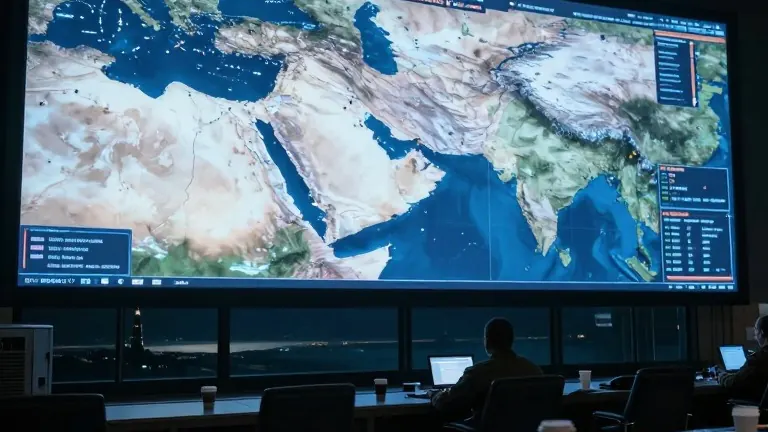
The war strained the US economy by pushing up energy prices and the cost of goods. The International Monetary Fund reported that more than 1.1 billion barrels of crude oil were disrupted by the end of May due to Iranian attacks on shipping and infrastructure. Iran choked traffic through the Strait of Hormuz and struck energy facilities in Saudi Arabia and Kuwait. These disruptions kept oil prices elevated even after US operations restored some traffic by the fall.
Vice President JD Vance offered a blunt assessment of the results. He wrote on X that the war was the reason for the Republican loss. Vance noted that losing the Senate for six years was a cost to be judged on its own merits. He called it honest to argue whether that cost was worth paying.
Other Iranian officials also claimed vindication. Ali Nikzad, the Deputy Parliament Speaker, described the Republican losses as aftershocks of Trump's defeat. A senior official in the office of President Masoud Pezeshkian said the war and US support for Israel delivered Republicans an historic electoral defeat. Trump acknowledged that the conflict partly contributed to the losses, though he defended his decision to start the war.
The conflict has complicated the administration's narrative. By October, Trump disputed the idea that he promised the entire conflict would end within four to six weeks. He clarified that timeline referred only to eliminating Iran's nuclear threat. The prolonged nature of the war has made it difficult to claim that central objectives were met quickly.
Source: Fox News
More World · National news · Report a business · Got a Story?