What voters in Bellingham and the 10 key states decide Tuesday
Washington mail voters join millions nationwide choosing governors in Georgia, Nevada, Ohio, Arizona, Pennsylvania, Wisconsin, Kansas, Michigan, New Hampshire, and Vermont.
By Amina Yusuf ·
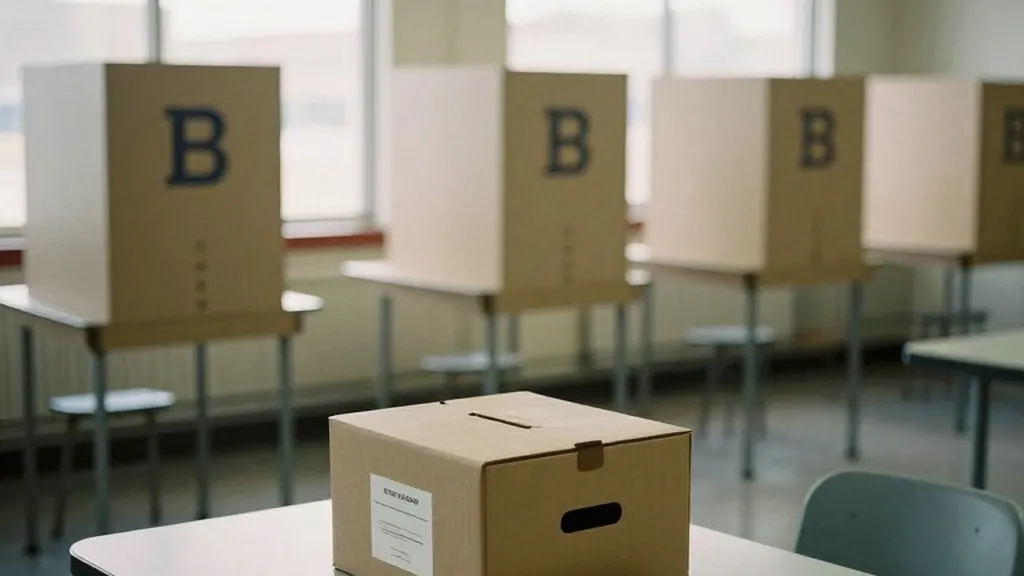
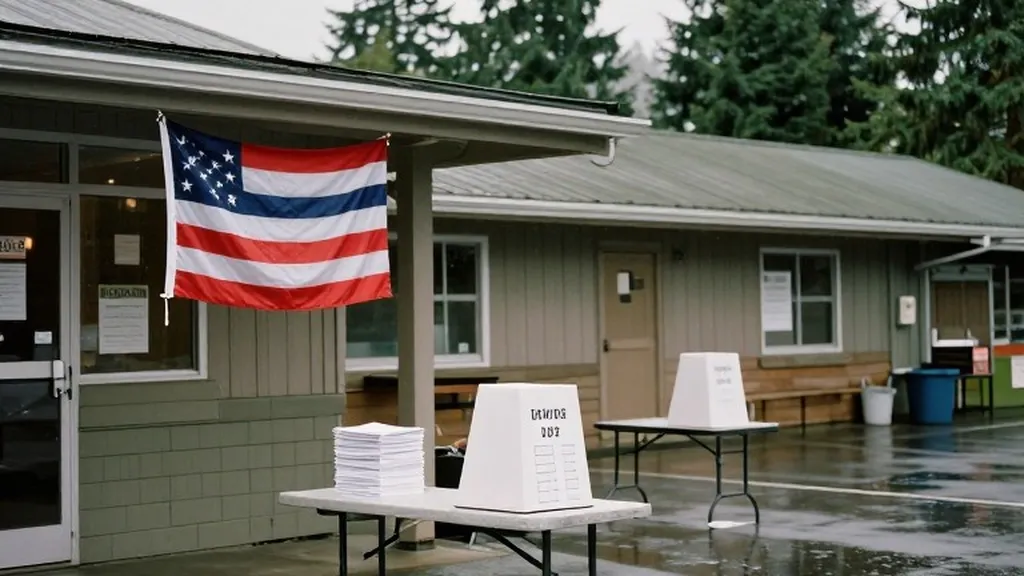
In Bellingham, Marysville, and Lake Stevens, voters are casting ballots in a state that conducts its elections largely by mail. According to Ballotpedia, Washington has no U.S. Senate or governor elections this year. Every U.S. House seat in the state is on the ballot, along with state and local offices. Polls close at 8 p.m. local time, and voters can find their specific polling place at vote.gov. As of Monday, more than 57 million people had already voted, surpassing the early vote totals of four years ago in many closely watched states, according to the Associated Press.
Tuesday marks the midterm election, occurring halfway through President Donald Trump’s second term. The results will determine who controls Congress for the remainder of his term. The Associated Press describes the election as a referendum on the current administration, with voters expressing concerns about high prices and an unpopular war with Iran. In Washington, voters are deciding on federal representatives and state-level measures, while the national picture involves 36 governorships and 35 U.S. Senate seats.
Nationally, Republicans currently hold 26 governor’s offices and Democrats hold 24. In the 36 races on the ballot, each party currently holds 18 offices. Nineteen of these races do not feature an incumbent, as 15 governors are term-limited and others have chosen not to run. Democrats would need a net gain of two governorships to achieve a nationwide majority, a position Republicans have held since 2010. This makes the upcoming governor races particularly significant for the balance of power in state government.
Several governor races are being closely watched by national news outlets. In Georgia, Republican health care executive Rick Jackson faces Democratic former Atlanta Mayor Keisha Lance Bottoms to succeed Brian Kemp. In Nevada, Republican Governor Joe Lombardo is running against Democratic Attorney General Aaron Ford. In Ohio, Republican Vivek Ramaswamy is competing against Democrat Amy Acton. Ramaswamy’s campaign has faced backlash over an advertisement featuring Acton’s estranged mother, according to the Associated Press.
In Arizona, Democratic Governor Katie Hobbs is defending her seat in a state Trump won in 2024. In Kansas, Michigan, Pennsylvania, and Wisconsin, Democrats are defending governorships in states that voted for Trump. In Pennsylvania, incumbent Josh Shapiro is running for re-election. In Wisconsin, the race is notable because Governor Tony Evers chose not to run. In Michigan, the race is open as the incumbent did not seek re-election, and Democrats hope to hold their majority of governorships for the first time in two decades.
Republicans are defending governorships in New Hampshire and Vermont, states that Kamala Harris won in 2024. In New Hampshire, Republican Governor Kelly Ayotte is running for re-election. In Vermont, Republican Governor Phil Scott is also seeking another term. These races are considered competitive because they occur in states that supported the Democratic presidential candidate in the most recent election. The Associated Press notes that the AP calls Texas, Florida, and Iowa competitive governor races, although these states are not part of the ten specific profiles requested for this article.
Voters in these ten states are deciding more than just state leadership. The governor races are part of a broader battle for control of state governments. In Georgia, the race features a former mayor against a health care executive. In Nevada, it is a contest between the sitting governor and the attorney general. In Ohio, the matchup includes a former U.S. Representative and a state legislator. The AP notes that economic strain and tariffs have made some states more competitive, though this specific comment was regarding Maine’s Senate race, it reflects the broader economic concerns felt in governor races as well.
Washington voters are also weighing in on ballot measures. Initiative 1 concerns public education governance and re-enacts a previous initiative related to parental rights. Initiative 638 addresses athletics in schools and nonprofits. Initiative 645 proposes repealing the tax on household income over $1 million. These measures reflect local concerns about education, sports, and taxation. While these are specific to Washington, they contribute to the overall picture of a diverse election day across the country.
The Associated Press reports that 35% of U.S. adults approve of Trump’s job performance, while 25% approve of his handling of the economy. About seven in 10 say the country is heading in the wrong direction. Most voters blame the president for high prices. Republican National Committee Chairman Joe Gruters stated that everything depends on turnout. Democratic Congressional Campaign Committee Chair Rep. Suzan DelBene said the American people are angry and want change. These quotes highlight the polarized mood heading into the polls.
Trump held dozens of rallies in the days leading up to the election, ending on Sunday in Salina, Kansas. He stated, “I really want you to pretend I’m on the ballot.” His schedule included stops in Mississippi, South Carolina, and Texas. Many Republican candidates kept their distance from the president’s rallies. Trump has continued to make claims about voting fraud, including that noncitizens vote in large numbers. His administration filed lawsuits in Alaska and California, and Democrats have expressed concern about interference as the Justice Department threatens to prosecute local election officials.
The 2026 elections are likely to be the most expensive in history. Republican committees outraised and outspent Democratic committees, helped by Trump-affiliated groups and Elon Musk. However, at the candidate level, Democrats outraised their opponents. According to AP analysis of AdImpact data, 88.1% of Republican general election TV ad spending went to states and districts Trump won in 2024. This includes more than $850 million in areas where he won by 10 points or more. This spending pattern suggests a focus on defending Republican-held seats in safely Republican areas.