Serbia's student list wins 53% of vote, starting 90-day clock to form government
The leaderless movement secured 141 seats and must name a prime minister within three months under the constitution.
By Matthew Collins ·
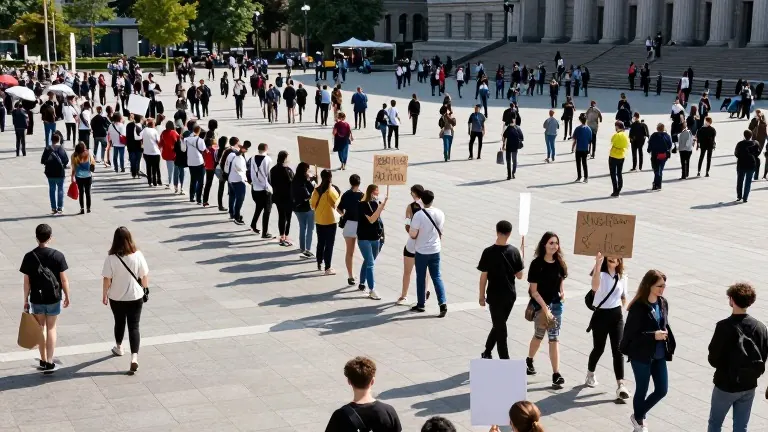
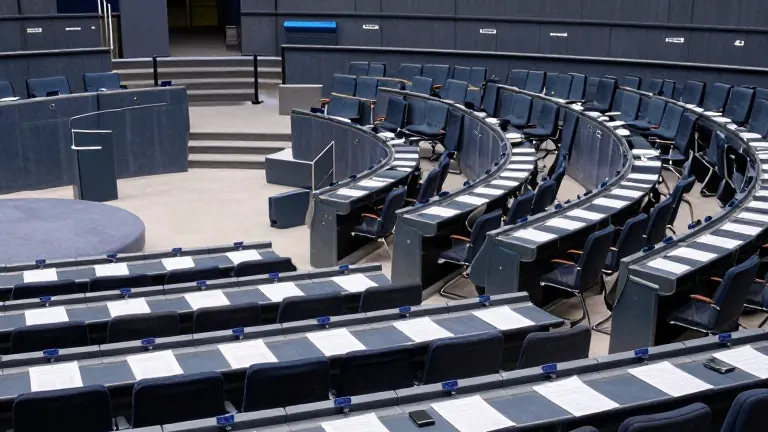
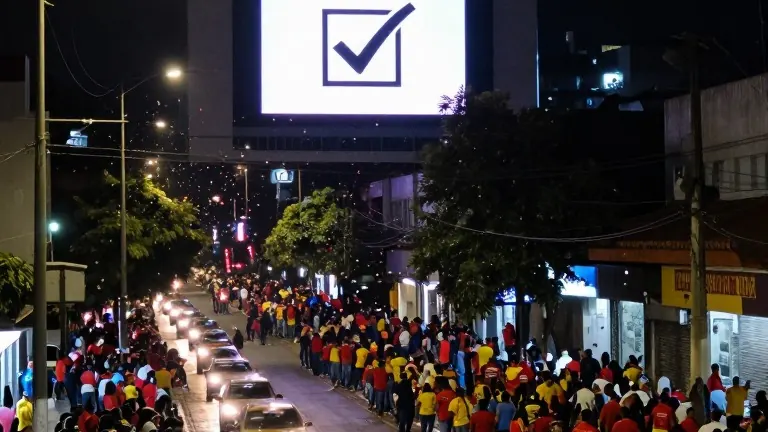
Serbia faces a strict deadline to form a new government after a student-led movement won a majority in parliament. The Student List captured 53% of the vote, securing 141 seats in the 250-member chamber. Constitutional rules require the new assembly to convene within 30 days and form a cabinet within 90 days of the official result.
The victory ended a 14-year period of rule by former President Aleksandar Vučić. He conceded defeat on Sunday, ending his tenure as the dominant figure in Serbian politics. His Serbian Progressive Party won 39% of the vote and 103 seats, while national minority lists took the remaining positions. The Centre for Free Elections and Democracy in Belgrade confirmed these figures after counting all ballot samples.
The movement that won the election has no established hierarchy or single leader. It relies on collective decision-making among candidates that include academics, actors, and farmers. This structure creates uncertainty regarding who will serve as prime minister and which officials will fill cabinet roles. The group has no prior experience governing a state.
Ana Mirković, a university educationist and candidate for the Student List, said the group views the result as a responsibility rather than a privilege. She described the first priority as the social and psychological detoxification of the country. Mirković stated that the goal is to rebuild society from the ground up, including full disclosure of contracts and the depoliticization of the judiciary.
The platform focuses on restoring the rule of law and fighting corruption. Specific proposals include creating an independent police unit accountable to prosecutors rather than the interior ministry. The movement also aims to ban party loyalists from state-owned companies and subject major infrastructure contracts to independent scrutiny to curb the misuse of public funds.
The new government will inherit institutions staffed by civil servants loyal to the outgoing regime. Dušan Vučićević, an analyst, noted that the movement insisted on addressing domestic political issues first. He said the experiment in grassroots democracy secured more than 50% of the vote, though it remains unclear if the model will work in other countries.
International leaders reacted to the outcome on Monday. Ukrainian President Volodymyr Zelenskyy called it a new chapter in Serbian history. German Chancellor Friedrich Merz said Berlin would actively support Serbia’s European path. The Kremlin stated it hoped the new leaders understood that cooperation with Russia is in Serbia’s interests.
Source: The Guardian