Likud insiders split on Netanyahu's path to a second full term
Internal polling suggests victory, but party members fear rival turnout efforts and right-wing fragmentation ahead of Tuesday's vote.
By Matthew Collins ·

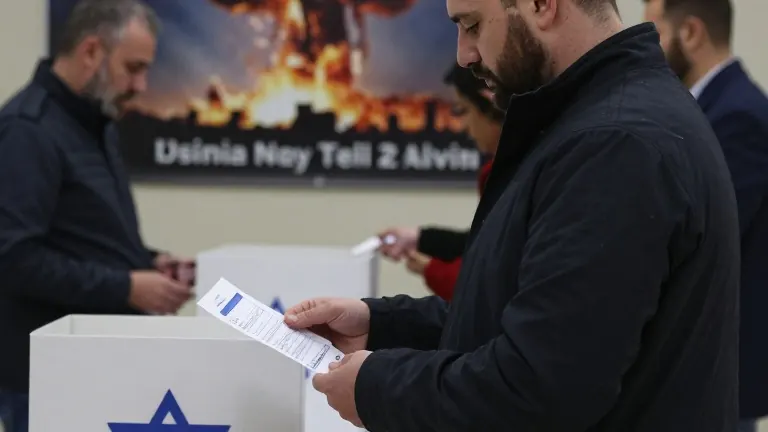
Likud members are divided over their prospects in Israel’s general election, which takes place on Tuesday, October 27. The party’s internal assessments range from high confidence in a Netanyahu victory to deep concern about opposition mobilization efforts. A Likud source described the internal mood as polarized, noting that some members are "very sure of themselves" while others remain cautious.
The optimists rely on data from Shlomo Filber, who manages the party's internal polling. The source characterized the stakes of Filber's projections with blunt clarity: "Either Momo comes out a king, or Momo goes home. It's one or the other." This confidence contrasts with the anxiety of other members who question whether the party can hold its base against aggressive counter-efforts.
A primary source of concern for Likud is the financial activity of non-governmental organizations supporting the opposition. Party sources describe these groups as pouring large sums into voter turnout initiatives, creating what one insider called "the nonprofits affair on steroids." These organizations have deployed social media campaigns, street signage, and field events. They have also arranged transportation for Arab voters and flight assistance for Israelis abroad.
Likud officials argue that the Central Elections Committee has focused too heavily on standard campaign video limits and public resource usage, while paying insufficient attention to these third-party organizations. The party claims this structure gives opponents an extensive support network that exists outside the usual party financing rules, although sources did not provide documentation proving the funding broke specific laws.
On the ground, Likud is preparing a large-scale field operation for Election Day. The strategy focuses on preventing right-wing votes from drifting to smaller parties. Negotiations to persuade Brig.-Gen. (res.) Ofer Winter, the head of the People of Israel party, to drop out of the race failed. Rabbi Eli Sadan, who participated in talks with Winter, later issued a statement backing Winter's continued candidacy.
The party is also courting supporters of the joint ticket formed by Yoaz Hendel and Yaron Zelekha. In a related move, Rabbi Abergel’s Ahi party has already withdrawn from the race following discussions with Likud. Those talks included a proposal for legislation that would allow the Ahi party to name a deputy minister. A survey published days before the vote indicated that nearly one-third of Israeli voters remained undecided.
The election was scheduled for October 27 to allow the current government to complete its full term. Netanyahu’s administration faces a decisive test as voters weigh in on the direction of the country following a campaign marked by intense turnout drives on both sides.
Source: The Jerusalem Post